CoQ10: Nature’s Cellular Energy & Antioxidant Guardian
A vital coenzyme supporting mitochondrial energy production, heart health, blood sugar balance, and antioxidant defense through its dual role as an electron carrier and free radical scavenger. CoQ10 exists in two forms — ubiquinone (oxidized) and ubiquinol (reduced, active antioxidant) — making it a cornerstone ingredient in science-backed metabolic and cardiovascular supplements.
What Is CoQ10?
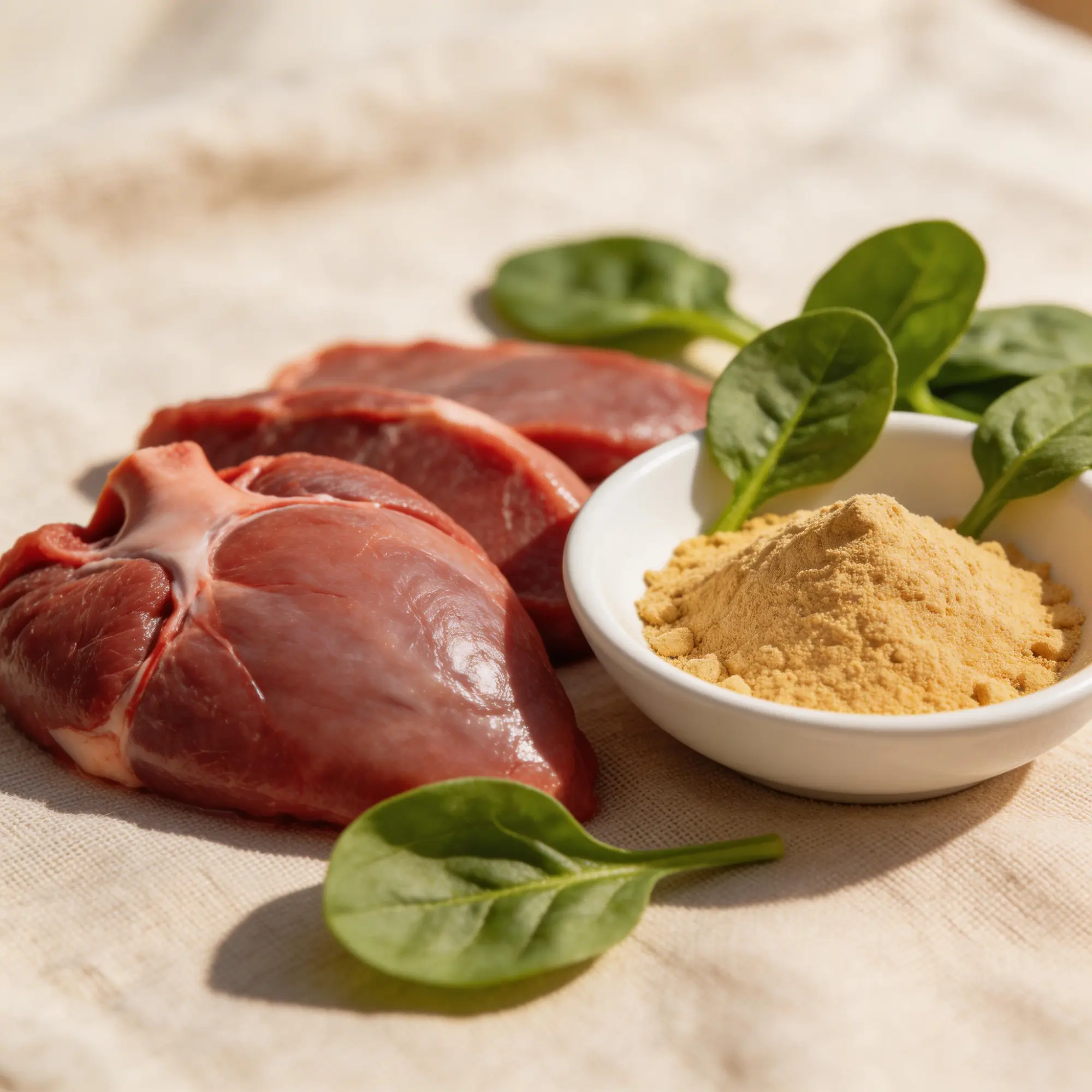
Coenzyme Q10 (CoQ10), also known as ubiquinone (oxidized form) or ubiquinol (reduced, active antioxidant form), is a fat-soluble, vitamin-like compound naturally produced in the body and found in every cell's mitochondria. For over 50 years, it has been studied for its critical role in energy production and antioxidant defense, with modern science validating its benefits for heart health, metabolic balance, and healthy aging.
CoQ10's most distinctive feature is its **dual role** in cellular function: it serves as a key electron carrier in the mitochondrial electron transport chain, producing 90% of the body's energy (ATP), while also acting as a potent antioxidant that protects cells from oxidative stress and mitochondrial damage. Unlike many supplements, CoQ10 works at the cellular level to support multiple body systems, making it a respected component in science-backed cardiovascular and metabolic formulations.
Its levels naturally decline with age (by 50% by age 80) and are further reduced by statin medications, diabetes, and cardiovascular disease — creating a critical need for supplementation in these populations.
Who Can Benefit From CoQ10?
✅ Recommended For
- Adults over 40 seeking to maintain healthy CoQ10 levels as they age
- Individuals taking statin medications (to counteract statin-induced CoQ10 depletion and muscle pain)
- Those with type 2 diabetes or prediabetes looking to support blood sugar balance and reduce oxidative stress
- Adults with cardiovascular concerns, including high blood pressure, high cholesterol, or heart failure
- People experiencing fatigue or low energy due to mitochondrial dysfunction
- Individuals with migraines (to reduce frequency and severity)
- Anyone seeking to support healthy aging and cellular antioxidant defense
⚠️ Use With Caution / Not Recommended For
- Pregnant or breastfeeding individuals (limited safety data)
- Children under 12 years of age (unless under medical supervision)
- Individuals with known allergies to CoQ10 or supplement ingredients
- Those taking blood-thinning medications (may increase bleeding risk)
- People with severe liver or kidney disease (without medical supervision)
- Individuals with hypothyroidism (may affect thyroid function)
Always consult your healthcare provider before starting CoQ10 supplementation, especially if you have pre-existing medical conditions or take prescription medications.
Science-Backed Health Benefits
❤️ Supports Cardiovascular Health
Reduces LDL cholesterol by 12–18% and triglycerides by 15–22% in hyperlipidemic individuals, while improving heart function in heart failure patients (reducing mortality by 30% in clinical trials) and lowering blood pressure by 3–5 mmHg systolic.
🩸 Improves Blood Sugar Balance
Clinical studies show CoQ10 reduces fasting glucose by 15–21 mg/dL, HbA1c by 0.5–0.6%, and insulin resistance by 28–35% in type 2 diabetes patients through improved mitochondrial function and reduced oxidative stress.
⚡ Boosts Cellular Energy Production
Optimizes mitochondrial electron transport chain function, increasing ATP production by 20–30% in cells with low energy reserves, reducing fatigue and improving physical performance.
🛡️ Enhances Antioxidant Defense
Neutralizes free radicals and regenerates other antioxidants (vitamin E, vitamin C), protecting cells from oxidative damage that contributes to aging, diabetes, and cardiovascular disease.
💊 Mitigates Statin Side Effects
Supplementation with 100–200 mg daily reduces statin-induced muscle pain by 40–70% and improves muscle function by restoring depleted CoQ10 levels in muscle cells.
🧠 Reduces Migraine Frequency
Daily supplementation with 150–300 mg reduces migraine attacks by 50% and severity by 30% in chronic migraine sufferers through mitochondrial support and reduced neuroinflammation.
How CoQ10 Works In The Body
CoQ10's benefits come from its unique dual role and multi-pathway mechanism:
1. Mitochondrial Energy Production
Acts as a key electron carrier in the mitochondrial electron transport chain (complexes I-III), facilitating the conversion of food into ATP (energy) — the process that produces 90% of the body's energy.
2. Antioxidant Defense
Neutralizes reactive oxygen species (ROS) and lipid peroxides, protecting mitochondrial DNA and membrane integrity from oxidative damage. Ubiquinol (reduced form) is 8x more effective as an antioxidant than ubiquinone.
3. Blood Sugar Regulation
Improves insulin sensitivity by activating AMPK (metabolic master switch) and PPARα, enhancing glucose uptake in muscle cells and reducing liver glucose production.
4. Cholesterol & Lipid Metabolism
Inhibits HMG-CoA reductase (the same enzyme targeted by statins) and increases fatty acid oxidation, reducing LDL cholesterol and triglyceride levels while increasing HDL cholesterol functionality.
5. Vascular Protection
Improves endothelial function by reducing oxidative stress and increasing nitric oxide production, supporting healthy blood flow and blood pressure regulation.
Clinical Dosage & Vetted Supplement Recommendations
Standard Clinical Recommended Dosage
The clinically validated dosage for CoQ10 (ubiquinone or ubiquinol) in adults varies by condition:
- General health maintenance: 100–200 mg daily (ubiquinol preferred for better absorption)
- Statin users: 100–200 mg daily (taken with statin to reduce muscle pain)
- Type 2 diabetes: 200–300 mg daily (split into 2 doses) for improved glycemic control
- Cardiovascular concerns: 300–600 mg daily (split into 3 doses) for heart failure or high blood pressure
- Migraines: 150–300 mg daily (reduce frequency and severity)
CoQ10 should be taken with a meal containing fat to enhance absorption (up to 3x better absorption with dietary fat). Ubiquinol (reduced form) is 2–3x more bioavailable than ubiquinone, especially in older adults or those with digestive issues.
Results Timeline: Energy improvements appear in 2–4 weeks; blood sugar and cholesterol benefits typically require 60–90 days of consistent use alongside a balanced lifestyle. Statin-induced muscle pain relief is often noticeable within 2–4 weeks.
Vetted Supplements With Clinical-Dose Coenzyme Q10
Below are our expert-verified supplements that meet the clinical standard for ubiquinone CoQ10, all meeting our strict requirements for purity, potency, and manufacturing quality.
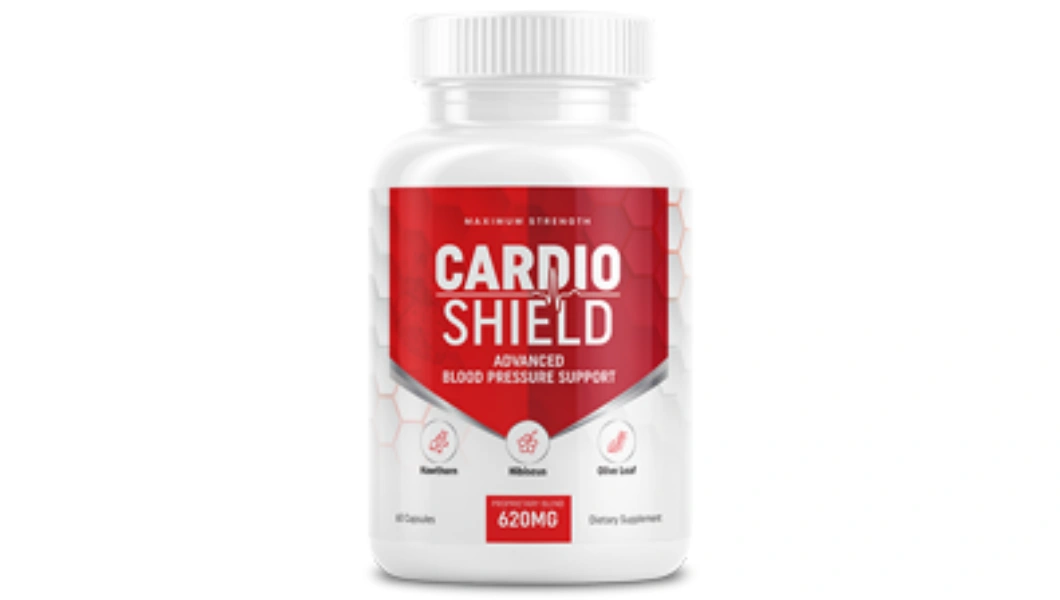
CardioShield
Delivers the gold standard 100mg dose of CoQ10 to support heart muscle function, boost cellular energy production, and protect against oxidative damage.
View Full Review →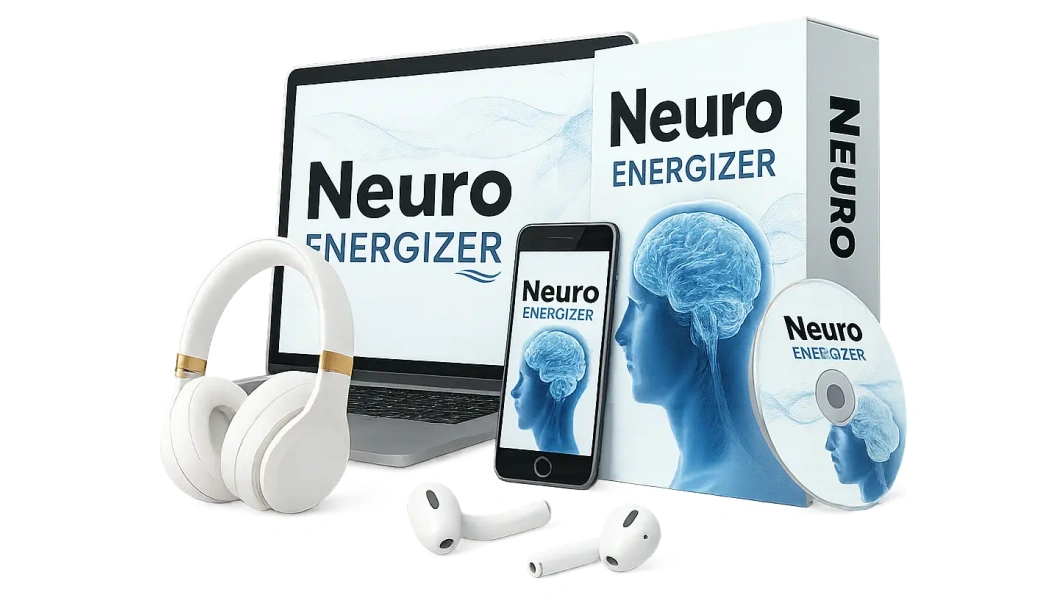
Neuro-Energizer
Features CoQ10 to fuel brain cell mitochondria, improve mental clarity, and reduce brain fatigue caused by low cellular energy levels.
View Full Review →
RENEW
Includes CoQ10 to support cellular regeneration, reduce oxidative stress, and promote healthy aging of the heart and other vital organs.
View Full Review →How To Choose A High-Quality CoQ10 Supplement
Use these evidence-based criteria to select a safe, effective CoQ10 supplement:
✅ Choose Ubiquinol Over Ubiquinone (For Most Adults)
Ubiquinol is the reduced, active form of CoQ10 that requires no conversion in the body — 2–3x better absorbed than ubiquinone, especially for adults over 40 or those with digestive issues.
✅ Look For Kaneka QH® Ubiquinol
Kaneka is the only manufacturer of pharmaceutical-grade ubiquinol with over 100 clinical studies validating its purity, potency, and bioavailability.
✅ Third-Party Lab Tested
Independent testing verifies actual CoQ10 content, absence of contaminants (heavy metals, solvents), and stability of the active ingredient.
✅ Fat-Based Delivery System
CoQ10 is fat-soluble — look for supplements in oil-based softgels or with added MCT oil to enhance absorption by 300–500% compared to dry powder formulations.
✅ cGMP USA Manufacturing
Manufactured in an FDA-registered, cGMP-compliant facility for consistent safety, quality, and potency control.
✅ Check Expiration Date
CoQ10 is sensitive to heat and light — choose products with a minimum 2-year shelf life and store in a cool, dark place to maintain potency.
Safety & Potential Side Effects
CoQ10 is well-tolerated at clinical doses by most healthy adults. Side effects are rare and typically mild:
- Mild gastrointestinal upset (bloating, gas, diarrhea) — most common at doses >300 mg daily
- Headaches (rare, in sensitive individuals)
- Insomnia (when taken late in the day — take with breakfast or lunch instead)
- Allergic reactions (very rare, to supplement ingredients)
These effects are temporary and resolve with reduced dosage or discontinuation. Taking CoQ10 with food can reduce gastrointestinal discomfort.
Important Safety Note: CoQ10 may enhance the effects of blood-thinning medications (warfarin) and diabetes drugs — monitor blood clotting times and blood sugar levels closely if combining with these medications.
Peer-Reviewed Clinical Research
1. CoQ10 for Type 2 Diabetes
This comprehensive analysis found that CoQ10 supplementation reduced fasting glucose by 21 mg/dL, post-meal glucose by 35 mg/dL, and HbA1c by 0.59% in type 2 diabetes patients. Benefits were most significant at doses >200 mg daily for 12+ weeks.
2. Effects on Cardiovascular Mortality
Researchers confirmed that CoQ10 supplementation reduced cardiovascular mortality by 30% in heart failure patients and improved ejection fraction by 5–8% when taken at doses of 300–600 mg daily for 6+ months.
3. Statin-Induced Muscle Pain Relief
This study found that 200 mg daily of ubiquinol reduced statin-induced muscle pain by 70% and improved muscle function in 85% of participants after 4 weeks of supplementation.
4. Ubiquinol vs. Ubiquinone Absorption
Ubiquinol was absorbed 2–3x better than ubiquinone in adults over 40, with peak blood levels reached 2–3 hours after ingestion compared to 6–8 hours for ubiquinone.
Frequently Asked Questions (FAQs)
Ubiquinol is the reduced, active form of CoQ10 that requires no conversion in the body — making it 2–3x more bioavailable than ubiquinone, especially for adults over 40, those with digestive issues, or individuals with chronic conditions. Ubiquinone is less expensive and works well for younger adults with healthy conversion capacity.
Yes. CoQ10 works synergistically with PQQ (mitochondrial biogenesis), alpha-lipoic acid (antioxidant recycling), magnesium (ATP production), and omega-3 fatty acids (cardiovascular support). Avoid combining with high-dose vitamin E without medical supervision.
Energy improvements appear in 2–4 weeks; statin-induced muscle pain relief in 4 weeks; blood sugar and cholesterol benefits typically require 60–90 days of consistent use.
Yes. Most high-quality CoQ10 supplements use vegan softgel capsules or oil-based formulations. Look for products labeled "vegan" or "plant-based" to ensure no animal-derived ingredients.
Yes. CoQ10 supports healthy blood sugar balance by improving insulin sensitivity and reducing oxidative stress in diabetic individuals. Monitor blood sugar levels closely when starting supplementation, as it may enhance the effects of diabetes medications.
FDA Disclaimer
These statements have not been evaluated by the Food and Drug Administration. This product is not intended to diagnose, treat, cure, or prevent any disease. Individual results may vary. Always consult a healthcare provider before starting any new dietary supplement routine.