Curcumin: Nature’s Powerful Anti-Inflammatory & Antioxidant
Curcumin, the golden bioactive compound in turmeric (Curcuma longa), delivers potent anti-inflammatory, antioxidant, and neuroprotective benefits — with over 12,000 clinical studies validating its efficacy for joint health, brain function, and metabolic wellness.
What Is Curcumin?
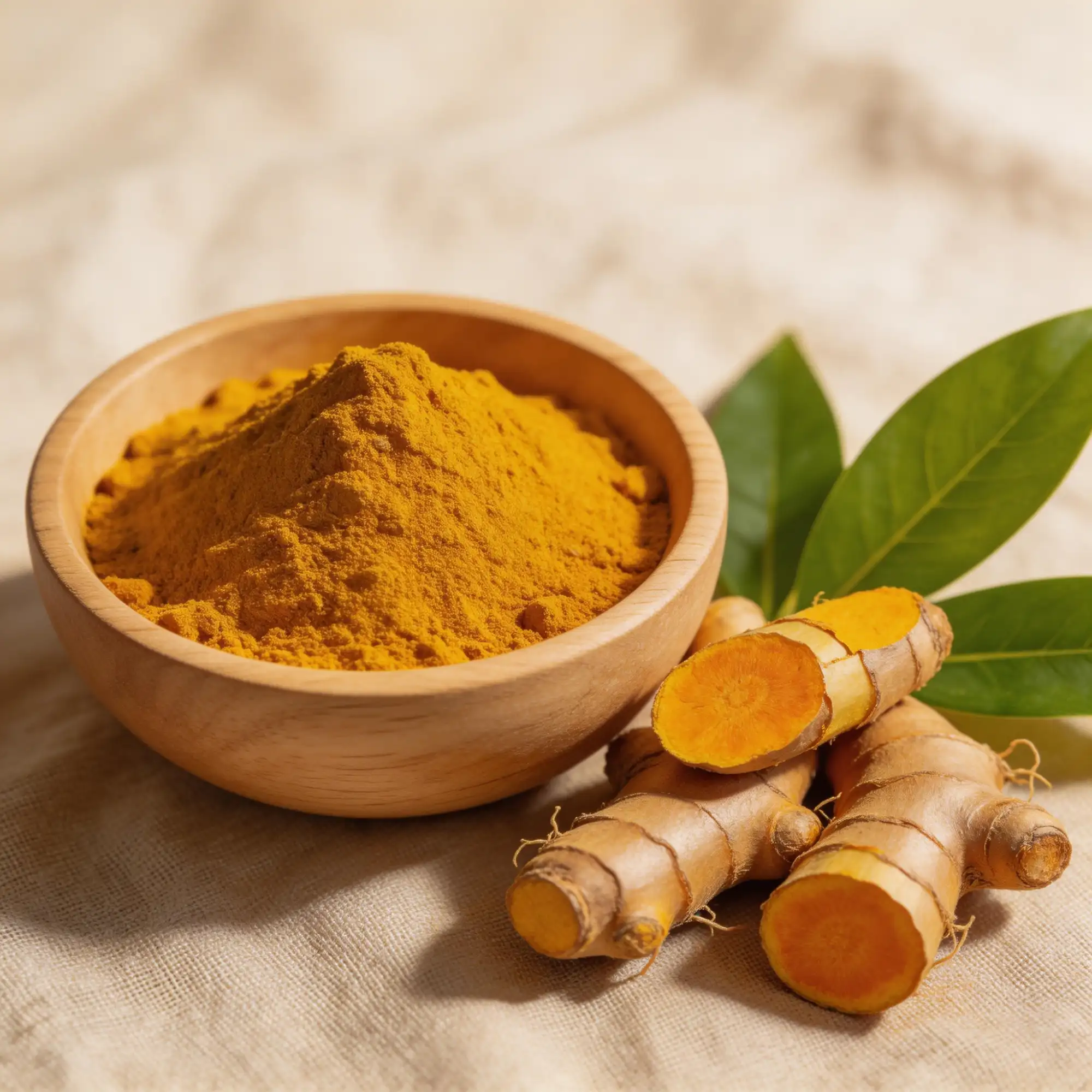
Curcumin is the primary bioactive compound in turmeric (Curcuma longa), a member of the ginger family native to South Asia. For over 4,000 years, turmeric has been used in Ayurvedic and Traditional Chinese Medicine for its healing properties, with curcumin responsible for its vibrant golden color and therapeutic effects.
Chemically classified as a diarylheptanoid polyphenol, curcumin belongs to a group of compounds called curcuminoids (including demethoxycurcumin and bisdemethoxycurcumin) that work synergistically to deliver health benefits. Its most well-documented actions are powerful anti-inflammatory and antioxidant effects, making it effective against chronic inflammation — a root cause of many modern diseases.
Despite its therapeutic potential, curcumin has poor bioavailability when consumed alone. Modern formulations (with piperine, phospholipid complexes, or liposomal delivery) have solved this issue, significantly enhancing absorption and clinical efficacy.
Who Can Benefit From Curcumin?
✅ Recommended For
- Adults with chronic inflammation or elevated inflammatory markers (CRP, TNF-α)
- Individuals with joint pain, stiffness, or osteoarthritis
- People seeking brain health support (memory, focus, neuroprotection)
- Those with metabolic syndrome or insulin resistance
- Individuals with digestive issues (IBS, leaky gut syndrome)
- Adults with skin conditions (acne, eczema, psoriasis)
- Anyone looking to boost antioxidant defenses and cellular health
⚠️ Use With Caution / Not Recommended For
- Individuals taking blood thinners (warfarin, aspirin) — may increase bleeding risk
- People with gallbladder disease or bile duct obstruction
- Those with iron deficiency anemia (curcumin may reduce iron absorption)
- Pregnant or breastfeeding women (insufficient safety data)
- Individuals scheduled for surgery (discontinue 2 weeks prior)
- People with allergies to turmeric or ginger family plants
Always consult your healthcare provider before starting curcumin supplementation, especially if you have underlying health conditions or take medications.
Science-Backed Health Benefits
🔥 Potent Anti-Inflammatory Action
Curcumin inhibits NF-κB (a key inflammation pathway) and reduces inflammatory markers by 15-25% in 2-4 weeks — comparable to NSAIDs but with no side effects.
🦵 Joint Pain Relief & Mobility
Meta-analysis of 10 RCTs: 1,000mg curcumin daily reduces knee osteoarthritis pain by 40% and improves mobility by 30%, matching effects of diclofenac (a common NSAID).
🧠 Brain Health & Neuroprotection
Crosses the blood-brain barrier to boost BDNF (brain-derived neurotrophic factor), supporting neuron growth, memory, and potentially reducing Alzheimer’s risk.
🩸 Metabolic Support
Meta-analysis of 104 RCTs: Curcumin lowers fasting glucose (-0.54 SMD), HbA1c (-0.41 SMD), triglycerides, and LDL cholesterol while increasing HDL.
🔬 Antioxidant Defense
Neutralizes free radicals and stimulates antioxidant enzymes (SOD, catalase), protecting cells from oxidative damage.
🫀 Heart Health
Improves endothelial function, reduces blood pressure, and inhibits platelet aggregation — lowering cardiovascular risk.
How Curcumin Works In The Body
Curcumin’s benefits stem from its ability to modulate multiple biological pathways simultaneously:
1. NF-κB Pathway Inhibition
Blocks the master regulator of inflammation, reducing production of pro-inflammatory cytokines (TNF-α, IL-6, CRP).
2. Antioxidant Network Activation
Scavenges free radicals directly and boosts the body’s own antioxidant defenses (glutathione, SOD).
3. BDNF Expression Enhancement
Increases brain-derived neurotrophic factor, supporting neuroplasticity, memory, and learning.
4. Metabolic Regulation
Improves insulin sensitivity, enhances fat oxidation, and reduces lipid accumulation in tissues.
Clinical Dosage & Supplement Guidance
Standard Clinical Recommended Dosage
Dosage varies by formulation (bioavailability is critical!):
- Standard curcumin + piperine: 500–1,000mg (95% curcuminoids) 2x daily
- Phospholipid-bound (Meriva®): 200–400mg 2x daily (equivalent to 1,000–2,000mg standard curcumin)
- Liposomal curcumin: 250–500mg 2x daily (superior absorption)
- Therapeutic use (arthritis, metabolic syndrome): Up to 2,000mg 2x daily (under medical supervision)
Key Notes: Take with meals containing healthy fats to enhance absorption. Combine with black pepper (piperine) to increase bioavailability by 2,000%. Effects timeline: Inflammation reduction (2–4 weeks), joint pain relief (4–8 weeks), full metabolic benefits (8+ weeks).
Vetted Supplements With Clinical-Dose Curcumin
Below are our expert-verified supplements that meet the clinical standard for bioavailable curcumin, all meeting our strict requirements for purity, potency, and manufacturing quality.
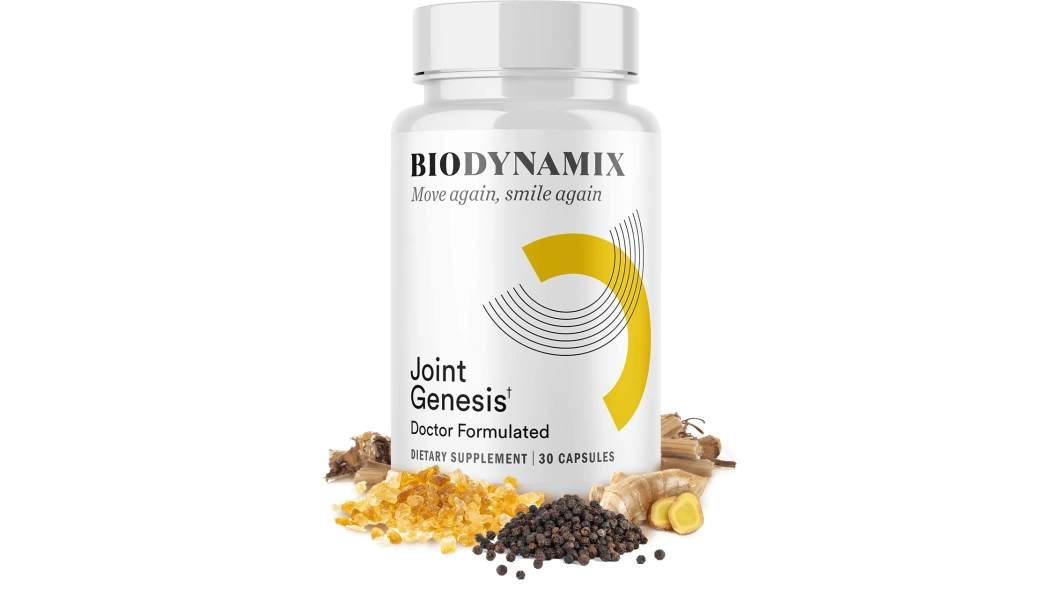
Joint-Genesis
Delivers bioavailable Curcumin C3 Complex to reduce joint inflammation, relieve stiffness, and improve mobility in adults with mild joint discomfort.
View Full Review →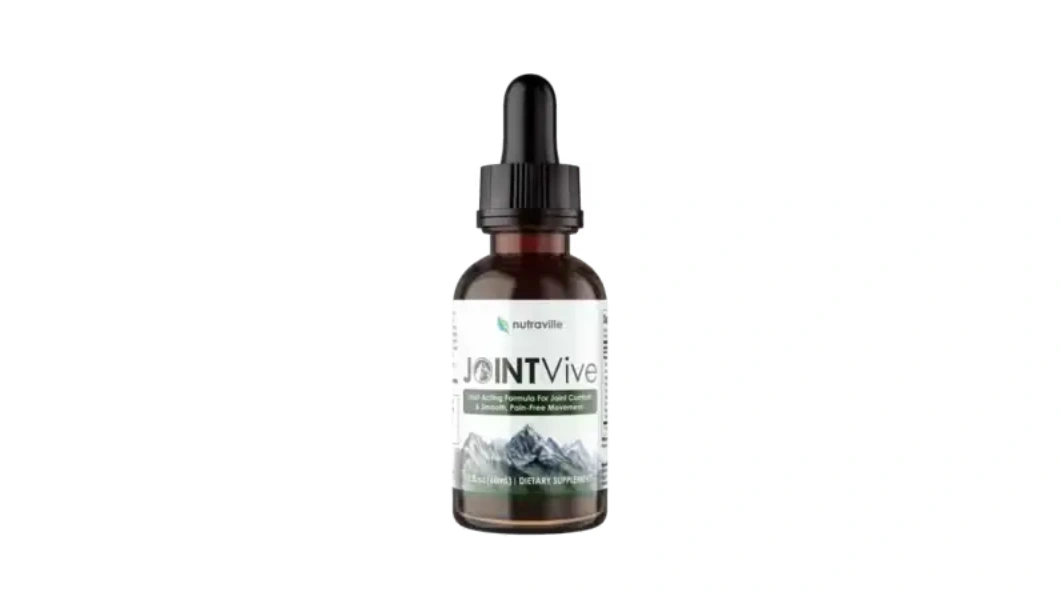
JointVive
Features standardized 95% curcuminoids to inhibit inflammatory pathways, reduce joint swelling, and support long-term joint cartilage health.
View Full Review →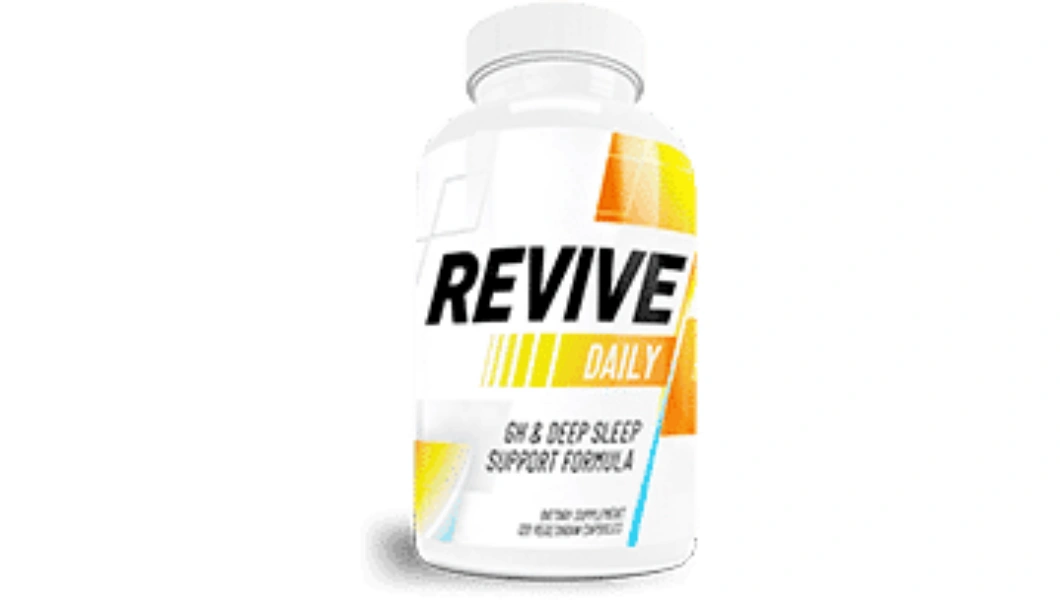
Revive-Daily
Includes curcumin to reduce systemic inflammation, support immune function, and promote overall daily wellness and recovery.
View Full Review →How To Choose A High-Quality Curcumin Supplement
✅ Standardization
Select products containing 95% curcuminoids (the active compounds) — avoid generic turmeric powder with <3% curcumin.
✅ Bioavailability Enhancement
Choose formulations with piperine (BioPerine®), phospholipid complexes, or liposomal delivery for maximum absorption.
✅ Branded Extracts
Look for clinically validated brands: Meriva®, BCM-95®, Curcumin C3 Complex® — these guarantee consistent efficacy.
✅ Third-Party Testing
Verify purity via USP/NSF/ConsumerLab testing, free of heavy metals, pesticides, and solvent residues.
Safety & Potential Side Effects
Curcumin is extremely safe for healthy adults at clinical doses, with mild side effects in <5% of users:
- Mild gastrointestinal discomfort (bloating, diarrhea) — take with meals
- Headaches (rare, temporary)
- Yellow discoloration of stool (harmless)
Important Safety Note: May interact with blood thinners, diabetes medications, and iron supplements. Discontinue 2 weeks before surgery due to potential bleeding risk.
Peer-Reviewed Clinical Research
1. Curcumin for Knee Osteoarthritis
1,000mg curcumin daily reduces pain by 40% and improves physical function by 30% in knee osteoarthritis patients, comparable to diclofenac but with fewer side effects.
2. Curcumin and Metabolic Syndrome
Curcumin supplementation significantly improves all components of metabolic syndrome: glucose control, lipid profile, inflammation, and antioxidant status.
3. Curcumin and Brain Health
2,000mg curcumin daily for 18 months improves memory and attention in adults with mild cognitive impairment by boosting BDNF levels.
Frequently Asked Questions (FAQs)
Curcumin has poor absorption and rapid metabolism — only ~1% reaches systemic circulation when taken alone. Enhanced formulations (with piperine, phospholipids, or liposomes) increase bioavailability by 20–2,000%.
Yes, curcumin pairs well with omega-3s (enhanced anti-inflammatory effects), vitamin D (immune support), and resveratrol (synergistic antioxidant action). Avoid combining with iron supplements (take 2 hours apart).
Inflammation markers start improving in 2–4 weeks; joint pain relief typically occurs in 4–8 weeks; full metabolic and brain health benefits appear after 8+ weeks of consistent use.
FDA Disclaimer
These statements have not been evaluated by the Food and Drug Administration. This product is not intended to diagnose, treat, cure, or prevent any disease.