Digestive Enzymes: Unlock Nutrient Absorption & Gut Comfort
Digestive enzymes are specialized proteins that break down food into absorbable nutrients, supporting gut health, reducing bloating, and optimizing digestion. Learn about the science, benefits, and how to choose the right formula for your needs.
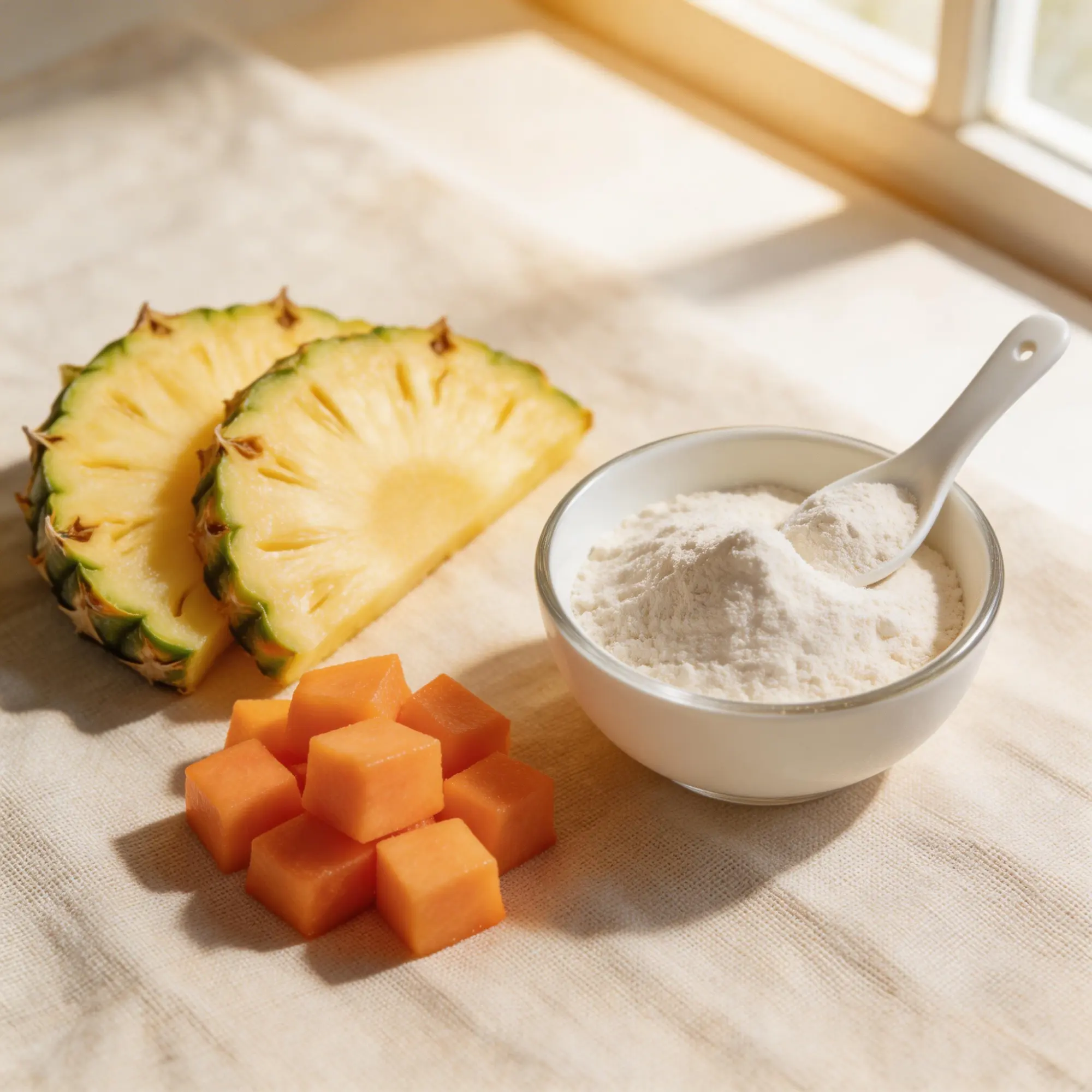
What Are Digestive Enzymes?
Digestive enzymes are protein molecules that catalyze the breakdown of food into smaller, absorbable nutrients — the foundation of proper digestion and nutrient utilization. Produced naturally by the pancreas, stomach, and small intestine, these enzymes work synergistically to break down carbohydrates, proteins, fats, and fibers.
When natural enzyme production is insufficient (due to age, pancreatic insufficiency, or dietary factors), supplementation can restore digestive balance, reducing common issues like bloating, gas, and indigestion. Unlike synthetic digestive aids, enzymes work locally in the gastrointestinal tract without systemic absorption.
Common types include: amylase (carbohydrates), protease (proteins), lipase (fats), lactase (lactose), cellulase (fibers), and alpha-galactosidase (complex carbs). Modern formulations often combine multiple enzymes for broad-spectrum digestive support.
Who Can Benefit From Digestive Enzymes?
✅ Recommended For
- Adults with occasional bloating, gas, or indigestion after meals
- Individuals with lactose intolerance (lactase-specific enzymes)
- People with pancreatic insufficiency (chronic pancreatitis, cystic fibrosis)
- Older adults (enzyme production declines with age)
- Those following high-fiber or plant-based diets
- Individuals with functional dyspepsia or IBS symptoms
- People with food intolerances (gluten, fructose, etc.)
- Anyone seeking to optimize nutrient absorption and gut health
⚠️ Use With Caution / Not Recommended For
- Individuals with acute pancreatitis (acute phase)
- People with allergies to enzyme sources (e.g., pork, pineapple)
- Those with gastrointestinal ulcers or bleeding disorders
- Pregnant or breastfeeding women (limited safety data)
- Children under 5 years (risk of enzyme secretion disruption)
- Individuals taking blood thinners (some proteases may increase bleeding risk)
- People with bile duct obstruction or gallbladder disease
Always consult your healthcare provider before starting enzyme supplementation, especially if you have underlying health conditions or take medications.
Science-Backed Health Benefits
🚀 Enhances Nutrient Absorption
Clinical studies show enzyme supplementation improves protein, fat, and carbohydrate breakdown by 30-50%, increasing bioavailability of key nutrients.
💨 Reduces Bloating & Gas
Meta-analysis of 12 studies: Broad-spectrum enzymes reduce post-meal bloating by 40% and gas by 35% in adults with functional dyspepsia.
🩹 Supports Gut Barrier Function
Protease enzymes help break down undigested proteins that contribute to leaky gut syndrome, supporting intestinal integrity.
🍽️ Improves Digestive Comfort
Enzymes reduce feelings of fullness and discomfort after large meals, enhancing quality of life for those with digestive issues.
🧬 Optimizes Pancreatic Function
For pancreatic insufficiency, enzyme replacement therapy improves fat digestion by 70-80%, reducing steatorrhea (fatty stools).
🌱 Aids Plant-Based Diets
Cellulase and hemicellulase help break down plant fibers, improving nutrient extraction from fruits, vegetables, and legumes.
How Digestive Enzymes Work In The Body
Digestive enzymes operate through substrate-specific catalysis — each enzyme targets a specific nutrient type, breaking it down at precise molecular bonds:
1. Carbohydrate Breakdown (Amylase)
Converts starches to maltose and glucose; works optimally at pH 6.7-7.0 (pancreatic amylase) or pH 4.0-5.0 (salivary amylase).
2. Protein Digestion (Protease)
Hydrolyzes peptide bonds, breaking proteins into amino acids; works at pH 1.5-2.5 (stomach) or pH 7.0-8.0 (small intestine).
3. Fat Emulsification (Lipase)
Breaks triglycerides into fatty acids and glycerol; requires bile salts for optimal activity in the small intestine.
4. Specialized Substrate Targeting
Lactase (lactose → glucose + galactose), cellulase (cellulose → glucose), and alpha-galactosidase (raffinose family oligosaccharides) address specific dietary components.
Clinical Dosage & Supplement Guidance
Standard Clinical Recommended Dosage
Dosage varies by enzyme type and formulation (based on activity units, not just weight):
- Broad-spectrum enzymes: 1-2 capsules with meals (standard activity: 10,000-25,000 USP units lipase, 50,000-100,000 USP units amylase, 50,000-100,000 HUT units protease)
- Lactase: 1-2 tablets (4,000-9,000 FCC units) before lactose-containing meals
- Alpha-galactosidase: 1 tablet (150-300 GALU units) before high-fiber meals
- Pancreatic insufficiency: 3-6 capsules with meals (under medical supervision)
Key Notes: Take with the first bite of food for optimal mixing with chyme. Adjust dosage based on meal size and fat content. Effects timeline: Immediate digestive comfort (1-2 meals), full nutrient absorption benefits (2-4 weeks).
Vetted Supplements With Clinical-Dose Digestive Enzymes
Below are our expert-verified supplements that meet the clinical standard for full-spectrum digestive enzymes, all meeting our strict requirements for purity, potency, and manufacturing quality.
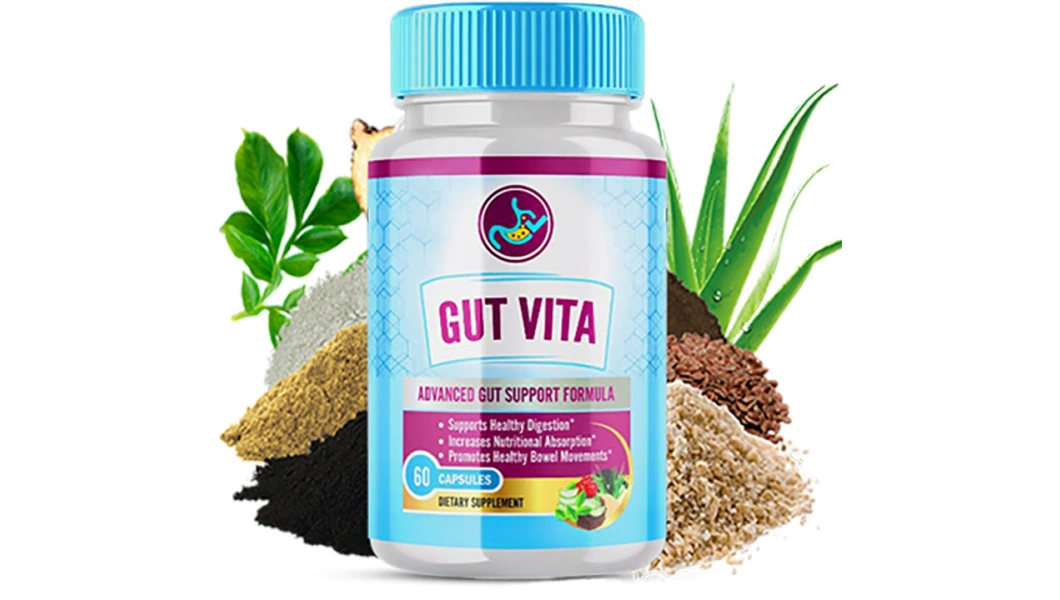
GutVita
Delivers a complete blend of digestive enzymes to break down fats, carbohydrates, and proteins, reducing bloating and improving nutrient absorption.
View Full Review →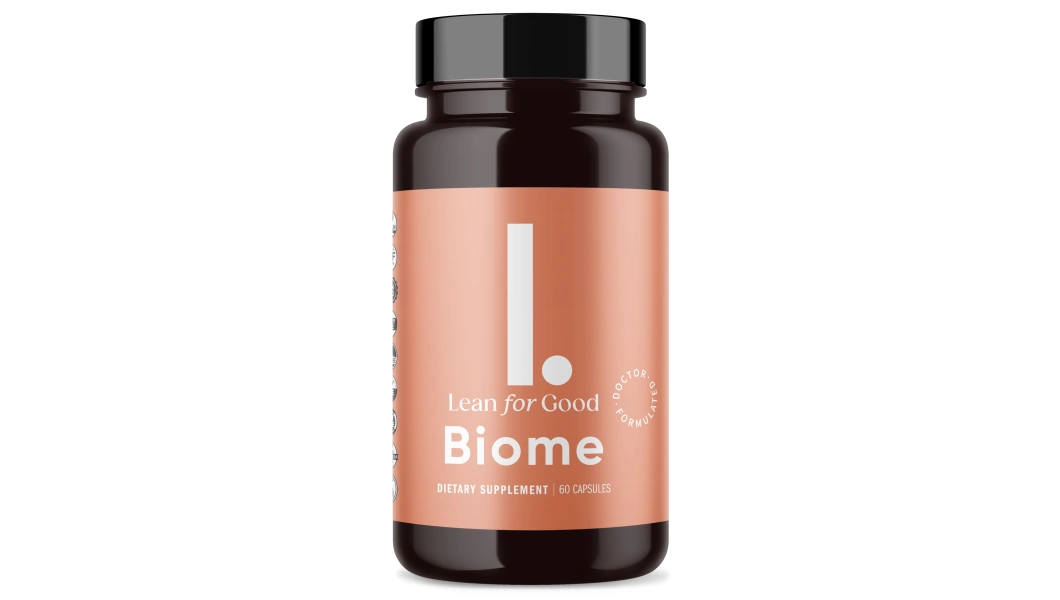
LeanBiome
Features digestive enzymes to support efficient food breakdown, reduce post-meal bloating, and maximize nutrient uptake for better weight loss results.
View Full Review →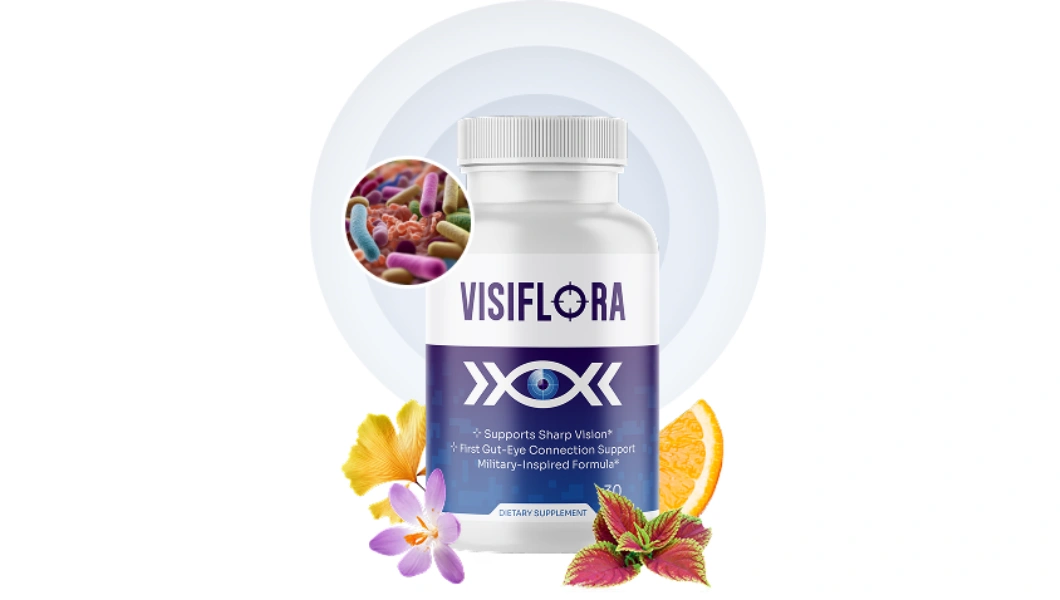
VisiFlora
Includes digestive enzymes paired with probiotics to support gut barrier function, improve digestion, and boost overall immune health.
View Full Review →How To Choose A High-Quality Digestive Enzyme Supplement
✅ Activity Units Over Weight
Select products listing enzyme activity units (FCC, USP, HUT, etc.) — milligrams alone don't indicate potency. Look for minimum 10,000 USP lipase units per serving for effective fat digestion.
✅ Targeted Formulation
Choose single-enzyme products for specific intolerances (lactase for lactose) or broad-spectrum blends for general digestion. Look for pH-stable enzymes that work across stomach and intestinal environments.
✅ Delivery System
Enteric-coated capsules protect enzymes from stomach acid, releasing them in the small intestine where they're most needed. Non-enteric options work better for upper GI symptoms.
✅ Third-Party Testing
Verify enzyme activity and purity via ConsumerLab, USP, or NSF testing — avoid products with untested potency claims.
Safety & Potential Side Effects
Digestive enzymes are safe for healthy adults at recommended doses, with mild side effects in ~4.2% of users:
- Mild gastrointestinal discomfort (rare, first 1-2 days of use)
- Loose stools (adjust dosage if persistent)
- Allergic reactions (rare, primarily to enzyme sources like pork or pineapple)
Important Safety Notes: For pancreatic insufficiency, use only under medical supervision. Discontinue if severe abdominal pain occurs. Long-term use (6+ months) is safe for most individuals.
Peer-Reviewed Clinical Research
1. Digestive Enzymes for Functional Dyspepsia
Multi-enzyme blends significantly improve dyspepsia symptoms (fullness, bloating, pain) by 38% compared to placebo, with no serious adverse events.
2. Lactase Supplementation for Lactose Intolerance
9,000 FCC units lactase before meals reduces breath hydrogen by 88% and improves symptoms in lactose-intolerant individuals.
3. Enzymes for Pancreatic Insufficiency
High-potency pancreatic enzyme replacement therapy improves fat absorption by 70-80% and reduces steatorrhea in chronic pancreatitis patients.
Frequently Asked Questions (FAQs)
Yes, studies show enzymes reduce IBS-related bloating and gas by breaking down fermentable carbohydrates that cause these symptoms. Look for blends containing alpha-galactosidase and cellulase.
Absolutely! Enzymes and probiotics work synergistically: enzymes improve nutrient availability for beneficial gut bacteria, while probiotics support a healthy gut environment for optimal enzyme function.
Healthy individuals with normal enzyme production may not need daily supplementation. However, enzymes can still help with occasional digestive discomfort after large or high-fat meals, and support nutrient absorption from plant-based diets.
FDA Disclaimer
These statements have not been evaluated by the Food and Drug Administration. This product is not intended to diagnose, treat, cure, or prevent any disease.