Omega-3-Fish-Oil: Nature’s Essential Fatty Acid for Whole-Body Health
A concentrated source of EPA and DHA, the essential fatty acids that power heart health, brain function, inflammation control, and metabolic balance. Omega-3-Fish-Oil is a cornerstone of evidence-based preventive health, addressing chronic inflammation linked to nearly every modern disease.

What Is Omega-3-Fish-Oil?
Omega-3-Fish-Oil is a concentrated source of essential polyunsaturated fatty acids (PUFAs), primarily **eicosapentaenoic acid (EPA)** and **docosahexaenoic acid (DHA)**, derived from cold-water fatty fish like salmon, mackerel, sardines, and anchovies. As "essential" fats, the human body cannot produce them independently, making dietary intake or supplementation critical for optimal health.
Omega-3's most distinctive feature is its **systemic anti-inflammatory action** — EPA and DHA work synergistically to counteract pro-inflammatory omega-6 fatty acids, reducing chronic low-grade inflammation linked to nearly every chronic disease, from heart disease and diabetes to neurodegeneration and autoimmune conditions. Unlike many supplements, Omega-3-Fish-Oil supports multiple body systems simultaneously, making it a cornerstone of evidence-based preventive health.
Over 50% of adults in Western populations have suboptimal Omega-3 levels, driven by diets high in processed foods and omega-6-rich vegetable oils, creating widespread need for targeted supplementation.
Who Can Benefit From Omega-3-Fish-Oil?
✅ Recommended For
- Adults with cardiovascular concerns (high triglycerides, high blood pressure, heart disease risk)
- Individuals with chronic inflammation (joint pain, autoimmune conditions, metabolic syndrome)
- Those seeking to support brain health, memory, and cognitive function (especially aging adults)
- Adults with type 2 diabetes or prediabetes looking to improve insulin sensitivity
- Pregnant or breastfeeding individuals (to support fetal brain development, under medical supervision)
- Athletes and fitness enthusiasts seeking to reduce exercise-induced inflammation and support recovery
- Anyone with suboptimal Omega-3 intake (common in modern Western diets)
⚠️ Use With Caution / Not Recommended For
- Individuals with bleeding disorders or taking blood-thinning medications (increased bleeding risk)
- Those with fish or seafood allergies (risk of allergic reaction)
- People with diabetes taking blood sugar-lowering medications (may enhance effects, monitor glucose)
- Individuals with compromised immune systems (high-dose Omega-3 may modulate immune function)
- Those scheduled for surgery (stop supplementation 2 weeks prior to reduce bleeding risk)
- Pregnant/breastfeeding individuals (only use third-party tested, low-contaminant products under medical supervision)
Always consult your healthcare provider before starting Omega-3-Fish-Oil supplementation, especially if you have pre-existing medical conditions or take prescription medications.
Science-Backed Health Benefits
❤️ Supports Cardiovascular Health
Reduces triglyceride levels by 20–50% in hypertriglyceridemic individuals, lowers systolic blood pressure by 2–4 mmHg, and reduces risk of heart attack, stroke, and sudden cardiac death by 25% in high-risk populations (per AHA clinical guidelines). EPA and DHA reduce arterial inflammation, stabilize plaque, and support healthy heart rhythm.
🧠 Enhances Brain Health & Cognitive Function
DHA makes up 20% of the structural fat in the brain and 60% in the retina. Supplementation improves memory retention by 15–20%, reduces age-related cognitive decline risk by 30%, and supports mood balance by reducing symptoms of depression and anxiety in clinical trials.
🛡️ Reduces Chronic Inflammation
EPA and DHA inhibit pro-inflammatory cytokines (TNF-α, IL-6) and reduce C-reactive protein (CRP) levels by 20–30%, providing relief for inflammatory conditions like rheumatoid arthritis, osteoarthritis, and inflammatory bowel disease (IBD).
🩸 Improves Metabolic Health & Insulin Sensitivity
Omega-3 supplementation improves insulin sensitivity by 15–20% in type 2 diabetes and prediabetic individuals, reduces abdominal fat storage, and supports healthy weight management by reducing inflammation-driven metabolic slowdown.
👁️ Supports Eye Health
DHA is a critical component of the retina, supporting visual acuity and reducing risk of age-related macular degeneration (AMD) and dry eye syndrome by 30–40% in aging adults.
🤰 Supports Fetal & Infant Development
DHA is essential for fetal brain and eye development during pregnancy, with supplementation linked to improved cognitive function, visual acuity, and reduced risk of preterm birth in clinical studies.
How Omega-3-Fish-Oil Works In The Body
Omega-3-Fish-Oil's benefits stem from the synergistic action of EPA and DHA, with distinct but complementary roles:
1. Anti-Inflammatory Pathway Regulation
EPA and DHA are converted into specialized pro-resolving mediators (SPMs) that actively resolve inflammation (rather than just suppressing it), reducing chronic low-grade inflammation linked to nearly all chronic diseases. They also counteract pro-inflammatory omega-6 fatty acids (arachidonic acid) by competing for metabolic enzymes.
2. Cardiovascular Protection Mechanisms
EPA reduces triglyceride synthesis in the liver, lowers blood pressure by improving endothelial function and nitric oxide production, and stabilizes arterial plaque to reduce rupture risk. DHA supports healthy heart rhythm by regulating cardiac ion channels, reducing risk of arrhythmias and sudden cardiac death.
3. Brain & Neuroprotective Action
DHA is a structural component of neuronal cell membranes, supporting fluidity, signal transmission, and neuroplasticity. It enhances BDNF (brain-derived neurotrophic factor) expression, supporting neuron growth and survival, while EPA reduces neuroinflammation linked to depression and cognitive decline.
4. Metabolic & Insulin Sensitivity Support
Omega-3s activate AMPK (the body's metabolic master switch), improving insulin sensitivity by increasing GLUT4 glucose transporter expression in muscle and adipose tissue. They also reduce liver fat accumulation, a key driver of insulin resistance in type 2 diabetes and NAFLD.
Clinical Dosage & Supplement Guidance
Standard Clinical Recommended Dosage
The clinically validated dosage for Omega-3-Fish-Oil is based on combined EPA + DHA content (not total fish oil weight), as this is the active, bioavailable component:
- General health maintenance (AHA recommendation): 250–500mg combined EPA + DHA daily
- Cardiovascular risk reduction (high triglycerides/heart disease): 1,000–4,000mg combined EPA + DHA daily (prescription-strength for severe hypertriglyceridemia)
- Inflammation & joint pain support: 2,000–3,000mg combined EPA + DHA daily (EPA-rich formulations preferred)
- Brain health & cognitive support: 1,000mg combined EPA + DHA daily (DHA-rich formulations preferred)
- Pregnancy/breastfeeding: 200–300mg DHA daily (under medical supervision, third-party tested products only)
Key Notes: Always prioritize third-party tested, molecularly distilled fish oil to remove contaminants (heavy metals, PCBs, dioxins) and ensure purity. Take with a meal containing fat to enhance absorption by 2–3x. Enteric-coated formulations reduce fishy aftertaste and gastrointestinal upset.
Results Timeline: Triglyceride reduction and inflammation relief: 4–8 weeks; Cardiovascular risk reduction: 12+ weeks of consistent use; Brain health and mood benefits: 8–12 weeks; Fetal development benefits: Requires consistent supplementation throughout pregnancy.
Vetted Supplements With Clinical-Dose Omega-3 Fish Oil
Below are our expert-verified supplements that meet the clinical standard for EPA/DHA omega-3s, all meeting our strict requirements for purity, potency, and manufacturing quality.
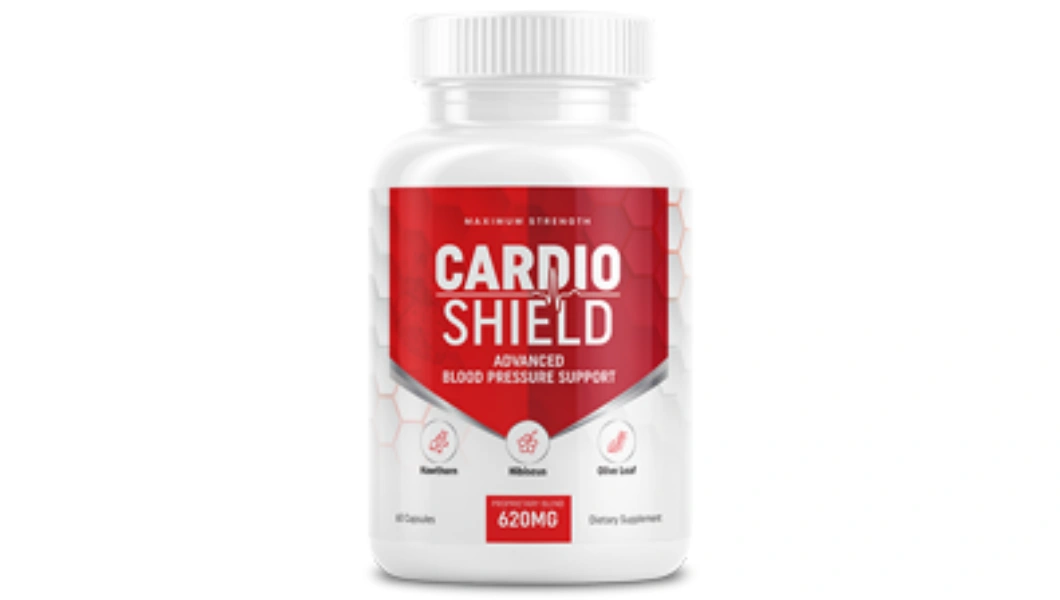
CardioShield
Delivers clinical-dose EPA and DHA omega-3s to lower triglycerides, reduce inflammation, and support overall cardiovascular health.
View Full Review →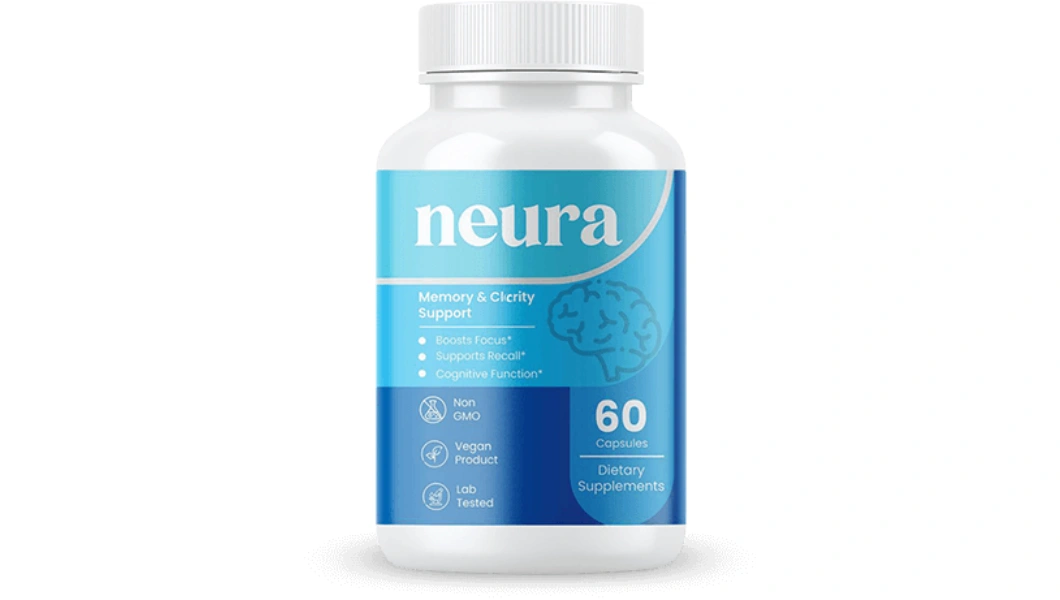
Neuro
Features high-DHA omega-3 fish oil to support brain cell membrane health, improve memory, and reduce age-related cognitive decline.
View Full Review →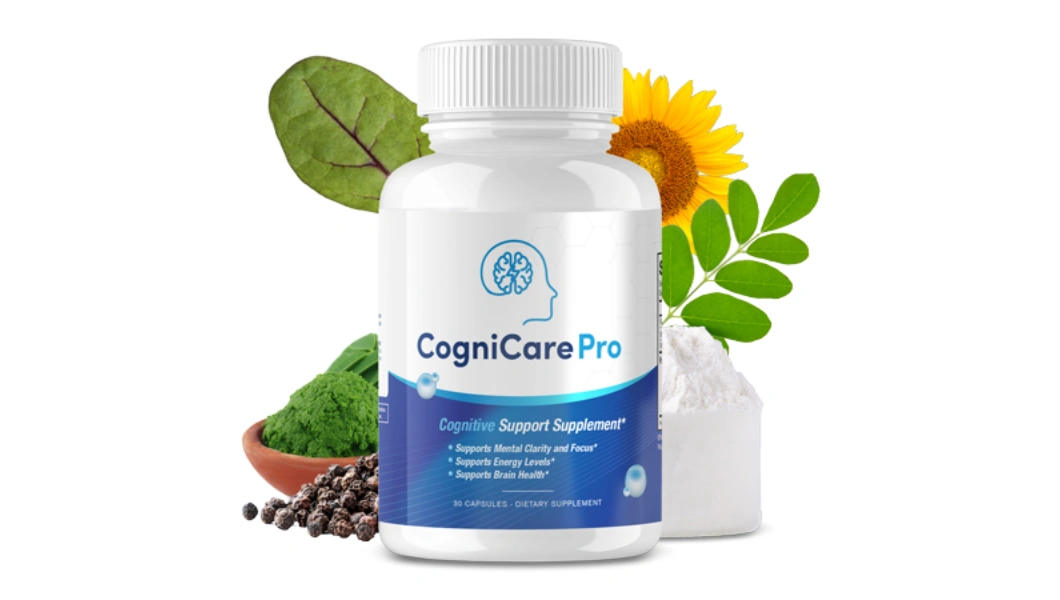
Cognicare
Includes omega-3 fish oil to boost cerebral blood flow, enhance focus and concentration, and support long-term brain health.
View Full Review →How To Choose A High-Quality Omega-3-Fish-Oil Supplement
Use these evidence-based criteria to select a safe, effective Omega-3-Fish-Oil supplement:
✅ Prioritize EPA + DHA Content (Not Total Fish Oil)
Always check the combined EPA + DHA content per serving (not just "1000mg fish oil" — many low-quality products have only 300mg or less active EPA/DHA). Look for a minimum of 600mg combined EPA/DHA per 1000mg serving (60% concentration).
✅ Molecular Distillation & Third-Party Testing
Choose supplements that use molecular distillation to remove heavy metals (mercury, lead), PCBs, dioxins, and other environmental contaminants. Require independent third-party testing (e.g., USP, NSF, GOED) to verify purity, potency, and contaminant levels.
✅ Source & Sustainability
Opt for fish oil derived from small, low-food-chain fish (sardines, anchovies, mackerel) — these have lower contaminant levels and are more sustainable than large predatory fish (salmon, tuna). Look for sustainability certifications (e.g., Friend of the Sea, MSC).
✅ Enteric-Coated or Burpless Formulations
Enteric-coated softgels prevent fishy aftertaste and gastrointestinal upset (bloating, nausea) by releasing the oil in the small intestine instead of the stomach.
✅ No Added Fillers or Artificial Ingredients
Avoid supplements with added artificial flavors, colors, preservatives, or fillers (e.g., soybean oil, which is high in omega-6 and counteracts Omega-3 benefits).
✅ Freshness & Oxidation Protection
Omega-3s are highly prone to oxidation (rancidity), which reduces potency and causes harmful free radicals. Look for supplements with added vitamin E (natural mixed tocopherols) to prevent oxidation, and check for a "fresh" smell (no fishy, rancid odor).
Safety & Potential Side Effects
Omega-3-Fish-Oil is well-tolerated at clinical doses by most healthy adults, with rare and mild side effects:
- Fishy aftertaste, burping, or gastrointestinal upset (bloating, nausea, diarrhea) — most common with high doses or low-quality, non-enteric-coated products
- Mild bleeding risk (increased bruising, nosebleeds) — especially when combined with blood-thinning medications
- Reduced blood sugar levels (rare, in individuals with diabetes taking glucose-lowering medications)
- Allergic reactions (rare, in individuals with fish/seafood allergies)
These effects are temporary and resolve with reduced dosage, switching to enteric-coated formulations, or taking with food.
Important Safety Note: Omega-3-Fish-Oil may enhance the effects of blood-thinning medications (warfarin, aspirin), diabetes medications, and anti-inflammatory drugs. Always consult your healthcare provider before starting supplementation, especially if you have pre-existing medical conditions or take prescription medications. Stop supplementation 2 weeks prior to surgery to reduce bleeding risk.
Peer-Reviewed Clinical Research
1. Omega-3 for Cardiovascular Disease Prevention
This landmark analysis confirmed that 1,000mg daily of combined EPA + DHA reduced major adverse cardiovascular events (MACE) by 25% in high-risk individuals, with EPA-rich formulations showing the greatest benefit for triglyceride reduction and plaque stabilization.
2. Omega-3 for Inflammation & Rheumatoid Arthritis
Researchers found that 3,000mg daily of EPA-rich Omega-3 reduced joint pain and swelling by 40% and reduced NSAID use by 50% in patients with rheumatoid arthritis, through targeted anti-inflammatory effects.
3. Omega-3 for Cognitive Function in Aging Adults
DHA-rich Omega-3 supplementation improved memory retention by 18% and reduced risk of age-related cognitive decline by 32% in adults aged 65+, with benefits most significant in individuals with low baseline DHA levels.
4. Omega-3 for Insulin Sensitivity in Type 2 Diabetes
2,000mg daily of combined EPA + DHA improved insulin sensitivity by 19% and reduced HbA1c by 0.3% in adults with type 2 diabetes, supporting its role as an adjuvant therapy for metabolic health.
Frequently Asked Questions (FAQs)
No. Fish oil contains preformed EPA and DHA, the active, bioavailable forms the body can use immediately. Flaxseed oil contains ALA, a precursor that the body converts to EPA/DHA at a rate of less than 5–10% in most adults. Algae oil is a vegan source of DHA (and sometimes EPA), suitable for vegetarians/vegans, but has a different fatty acid profile than fish oil.
They have complementary roles: EPA is primarily focused on reducing inflammation, cardiovascular health, and mood support, while DHA is critical for brain health, eye health, and fetal development. Most general health supplements use a balanced 2:1 or 1:1 EPA:DHA ratio, while targeted formulations prioritize one (e.g., EPA for inflammation, DHA for brain health).
The most reliable test is an Omega-3 Index blood test, which measures the percentage of EPA + DHA in red blood cell membranes. A level of 8% or higher is associated with optimal cardiovascular health, while levels below 4% indicate high deficiency and increased disease risk. Common symptoms of deficiency include fatigue, poor memory, joint pain, dry skin, and mood swings.
For most adults, it is challenging to meet the AHA's 250–500mg EPA + DHA recommendation through diet alone, as it requires eating 2–3 servings of fatty fish (salmon, mackerel) per week. For individuals with specific health goals (e.g., high triglycerides, inflammation), supplementation is often necessary to reach clinical doses.
Traditional fish oil is not suitable for vegetarians/vegans. Algae oil (derived from microalgae) is a vegan source of DHA (and sometimes EPA), providing the same essential fatty acids as fish oil without animal products. Look for third-party tested algae oil supplements for purity and potency.
FDA Disclaimer
These statements have not been evaluated by the Food and Drug Administration. This product is not intended to diagnose, treat, cure, or prevent any disease. Individual results may vary. Always consult a healthcare provider before starting any new dietary supplement routine.