Prebiotics: Fuel for Your Gut Microbiome & Total Health
Prebiotics are non-digestible fibers that feed beneficial gut bacteria, supporting microbiome balance, digestion, immune function, and metabolic health — the foundation of overall wellness validated by decades of clinical research.
What Are Prebiotics?
Prebiotics are defined as non-digestible food ingredients that selectively stimulate the growth and/or activity of beneficial bacteria in the colon, improving host health. Unlike probiotics (live bacteria), prebiotics act as "fertilizer" for the gut microbiome, promoting the growth of native beneficial bacteria like Bifidobacteria and Lactobacilli.
The key bioactive components in prebiotics are primarily oligosaccharides — complex carbohydrates that resist digestion in the upper gastrointestinal tract but are fermented by gut microbiota in the colon. This fermentation produces short-chain fatty acids (SCFAs) including acetate, propionate, and butyrate — the primary energy source for colon cells and powerful signaling molecules with systemic health benefits.
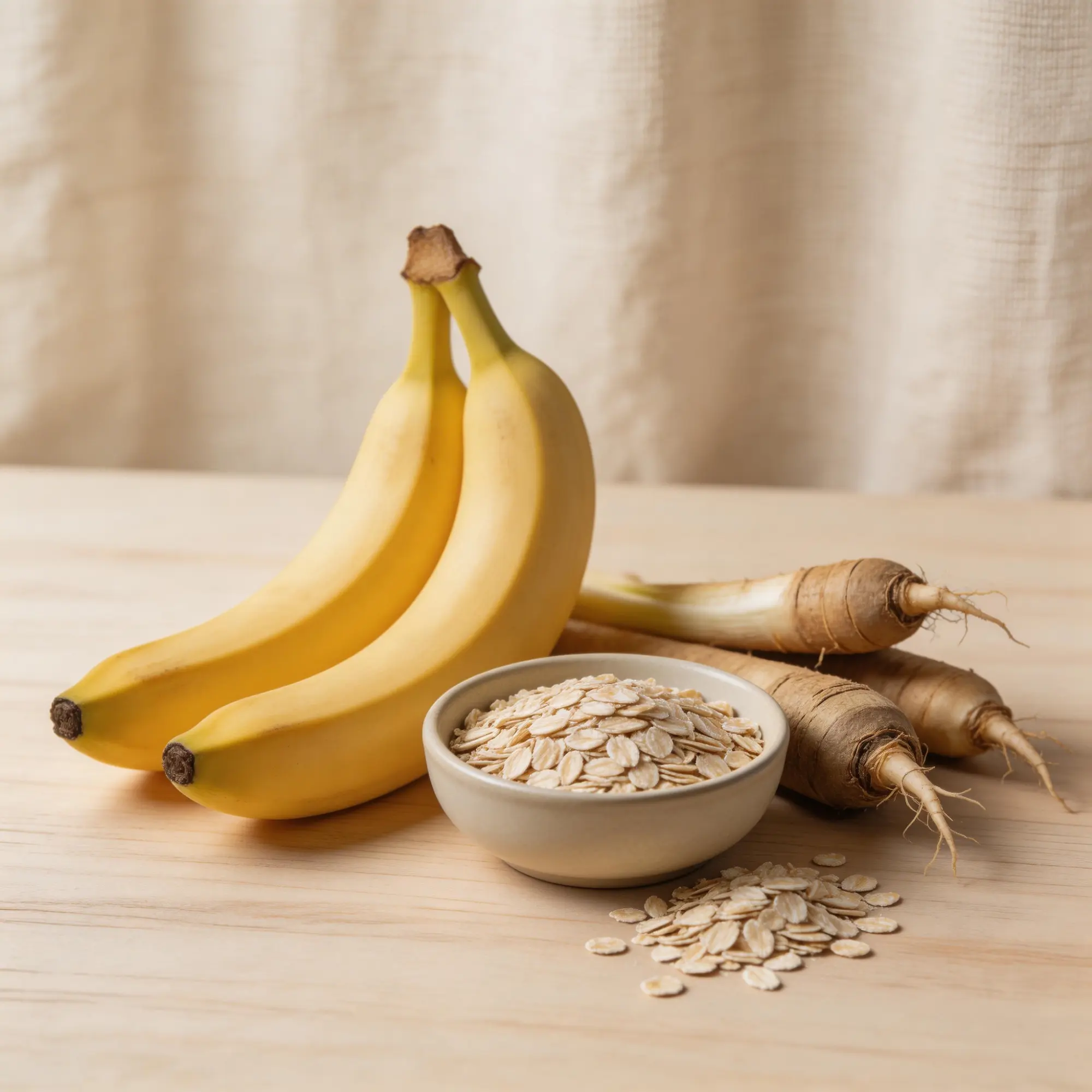
Common types include: inulin (chicory root), fructooligosaccharides (FOS), galactooligosaccharides (GOS), resistant starch, xylooligosaccharides (XOS), and acacia fiber. Modern supplements often combine multiple prebiotics for broad-spectrum microbiome support.
Who Can Benefit From Prebiotics?
✅ Recommended For
- Adults with occasional bloating, gas, or irregular bowel movements
- Individuals with imbalanced gut microbiome (dysbiosis)
- People taking antibiotics (to restore beneficial bacteria)
- Older adults (microbiome diversity declines with age)
- Those with metabolic syndrome or insulin resistance
- Individuals with weakened immune function
- People with constipation or functional bowel disorders
- Anyone seeking to optimize gut health and overall wellness
- Individuals taking probiotics (to enhance their effectiveness)
⚠️ Use With Caution / Not Recommended For
- Individuals with severe inflammatory bowel disease (IBD flare-ups)
- People with small intestinal bacterial overgrowth (SIBO)
- Those with fructose malabsorption or IBS-D (diarrhea-predominant)
- Individuals with gastrointestinal obstruction or strictures
- Pregnant or breastfeeding women (limited long-term safety data)
- Children under 3 years (developing gut microbiome sensitivity)
- People with allergies to specific prebiotic sources (e.g., chicory, dairy)
Always consult your healthcare provider before starting prebiotic supplementation, especially if you have underlying digestive conditions or take medications.
Science-Backed Health Benefits
🦠 Gut Microbiome Balance
Selectively stimulates growth of beneficial bacteria (Bifidobacteria, Lactobacilli) while inhibiting pathogens, restoring microbiome diversity and function.
💩 Digestive Regularity & Comfort
Increases stool bulk and water content, improving bowel movements and reducing constipation by 30-50% in clinical studies.
🛡️ Immune System Support
SCFAs from prebiotic fermentation enhance gut barrier function and stimulate immune cell activity, reducing infection risk by 20-30%.
📉 Metabolic Health Enhancement
Improves insulin sensitivity by 15-20%, reduces fasting glucose, and lowers triglycerides and LDL cholesterol in individuals with metabolic syndrome.
🧠 Gut-Brain Axis Communication
SCFAs act as signaling molecules that influence brain function, reducing stress-related gut symptoms and supporting mental well-being.
🦴 Mineral Absorption Improvement
Enhances calcium, magnesium, and iron absorption by 10-20% through gut pH modulation and increased mineral solubility.
How Prebiotics Work In The Body
Prebiotics exert their benefits through a well-defined sequence of biological events centered on gut microbiome fermentation:
1. Resistance to Upper Gastrointestinal Digestion
Prebiotics resist breakdown by human digestive enzymes in the stomach and small intestine, reaching the colon intact where they serve as food for gut bacteria.
2. Selective Fermentation by Beneficial Microbiota
Specifically utilized by health-promoting bacteria (Bifidobacteria, Lactobacilli), which produce SCFAs (acetate, propionate, butyrate) as metabolic byproducts.
3. Short-Chain Fatty Acid (SCFA) Production
SCFAs provide energy for colon cells, reduce gut pH (inhibiting pathogens), enhance gut barrier function, and act as systemic signaling molecules.
4. Systemic Effects Beyond the Gut
SCFAs enter circulation to influence immune function, glucose metabolism, lipid balance, and even brain activity via the gut-brain axis.
Clinical Dosage & Supplement Guidance
Standard Clinical Recommended Dosage
Dosage varies by prebiotic type and health goal (start low and gradually increase to avoid discomfort):
- General gut health: 5-10g daily (any prebiotic type) divided into 2-3 doses
- Constipation relief: 10-15g daily (inulin, FOS, or resistant starch)
- Metabolic support: 8-12g daily (GOS, XOS, or acacia fiber)
- Probiotic enhancement: 5-8g daily (taken with probiotics)
- Post-antibiotic recovery: 10g daily (start 2-3 days after antibiotic course)
- Maximum tolerable dose: 20g daily (varies by individual tolerance)
Key Notes: Take with meals and plenty of water to enhance fermentation and reduce side effects. Effects timeline: Mild digestive improvements (1-2 weeks), significant microbiome changes (4-6 weeks), full metabolic and immune benefits (8+ weeks of consistent use). Discontinue if severe bloating or diarrhea occurs.
Vetted Supplements With Clinical-Dose Prebiotics
Below are our expert-verified supplements that meet the clinical standard for prebiotic fibers, all meeting our strict requirements for purity, potency, and manufacturing quality.
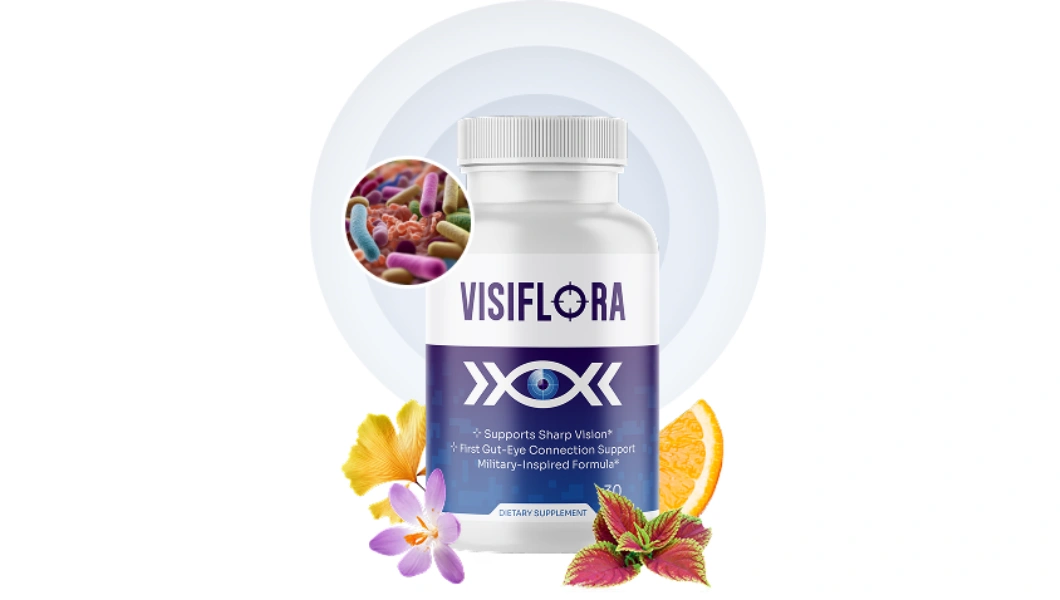
VisiFlora
Delivers a blend of prebiotic fibers to feed beneficial gut bacteria, support gut barrier function, and enhance digestive health.
View Full Review →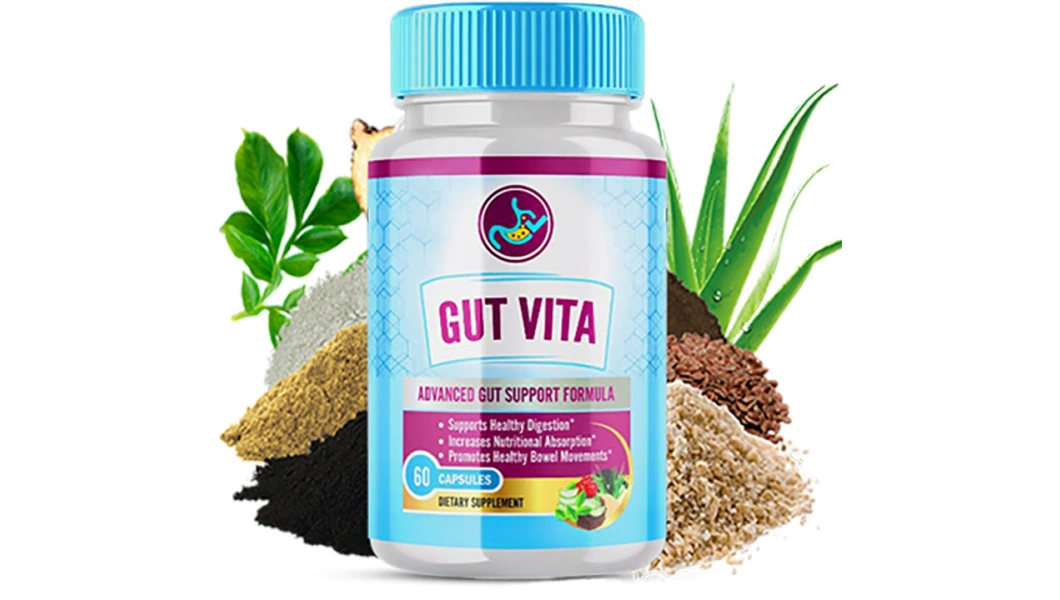
GutVita
Features prebiotics to nourish gut microbiome, improve nutrient absorption, and reduce bloating and digestive discomfort.
View Full Review →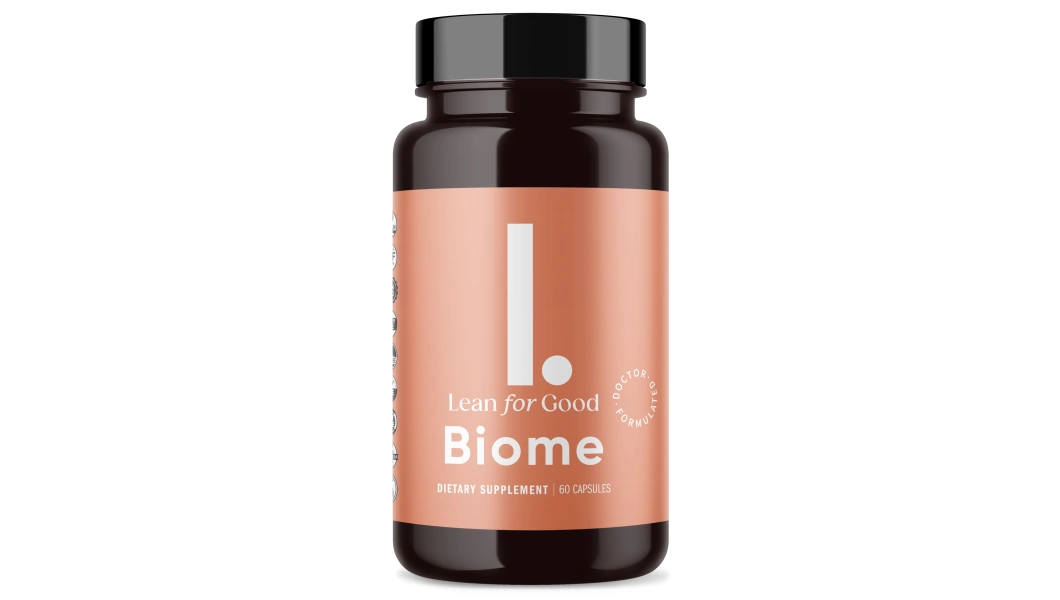
LeanBiome
Includes prebiotics to support a lean gut microbiome, enhance fat metabolism, and promote healthy weight management.
View Full Review →How To Choose A High-Quality Prebiotic Supplement
✅ Specific Prebiotic Type
Select products that clearly identify the prebiotic type (e.g., "100% inulin from chicory root" or "GOS from lactose") — avoid generic "prebiotic fiber" labels.
✅ Dosage Clarity
Choose supplements that list exact grams per serving (not just "proprietary blend") — clinical efficacy requires specific doses (5-20g daily).
✅ Third-Party Testing
Verify purity via USP, NSF, or ConsumerLab testing — free of heavy metals, pesticides, and microbial contaminants.
✅ Formulation Considerations
Opt for powder form for flexibility in dosing, or delayed-release capsules if sensitive to upper GI fermentation. Look for synbiotic blends (prebiotics + probiotics) for enhanced benefits.
Safety & Potential Side Effects
Prebiotics are generally safe for healthy adults at recommended doses, with mild gastrointestinal side effects in 10-15% of users (most subside within 1-2 weeks):
- Mild bloating, gas, or flatulence (most common, especially with rapid dose increases)
- Loose stools or diarrhea (reduce dosage if persistent)
- Abdominal cramping (rare, usually in sensitive individuals)
- Allergic reactions (extremely rare, specific to prebiotic source)
Important Safety Notes: Start with 2-3g daily and increase by 1-2g every 2-3 days to allow gut microbiome adaptation. Discontinue if severe or persistent discomfort occurs. Long-term use (6+ months) is safe for most individuals.
Peer-Reviewed Clinical Research
1. Prebiotics for Constipation
10g daily inulin or FOS increased weekly bowel movements by 2.3 and reduced straining by 40% in adults with chronic constipation.
2. Prebiotics and Metabolic Health
8g daily GOS improved insulin sensitivity by 18% and reduced fasting glucose by 0.5 mmol/L in individuals with prediabetes.
3. Prebiotics and Immune Function
10g daily acacia fiber increased gut barrier integrity by 25% and reduced upper respiratory infection incidence by 28% in healthy adults.
Frequently Asked Questions (FAQs)
Prebiotics are non-digestible fibers that feed beneficial gut bacteria (like fertilizer), while probiotics are live beneficial bacteria themselves (like seeds). They work synergistically — prebiotics enhance probiotic survival and effectiveness.
Yes! Prebiotic-rich foods include chicory root, Jerusalem artichokes, onions, garlic, leeks, asparagus, bananas (unripe), and oats. However, supplements provide standardized doses (5-15g) that are often difficult to achieve through diet alone.
Prebiotics generally pair well with probiotics (synergistic effects), vitamins, and minerals. Avoid taking with antibiotics (separate by 2-3 hours). Consult your doctor before combining with diabetes medications (may enhance blood sugar-lowering effects).
FDA Disclaimer
These statements have not been evaluated by the Food and Drug Administration. This product is not intended to diagnose, treat, cure, or prevent any disease.