Probiotics: The Living Microbes That Balance Your Microbiome & Boost Whole-Body Health
Probiotics are live microorganisms that, when administered in adequate amounts, confer a health benefit on the host. From supporting digestive balance and immune function to promoting oral health and metabolic wellness, these beneficial bacteria are foundational to modern preventive care, addressing microbiome imbalances linked to chronic disease.
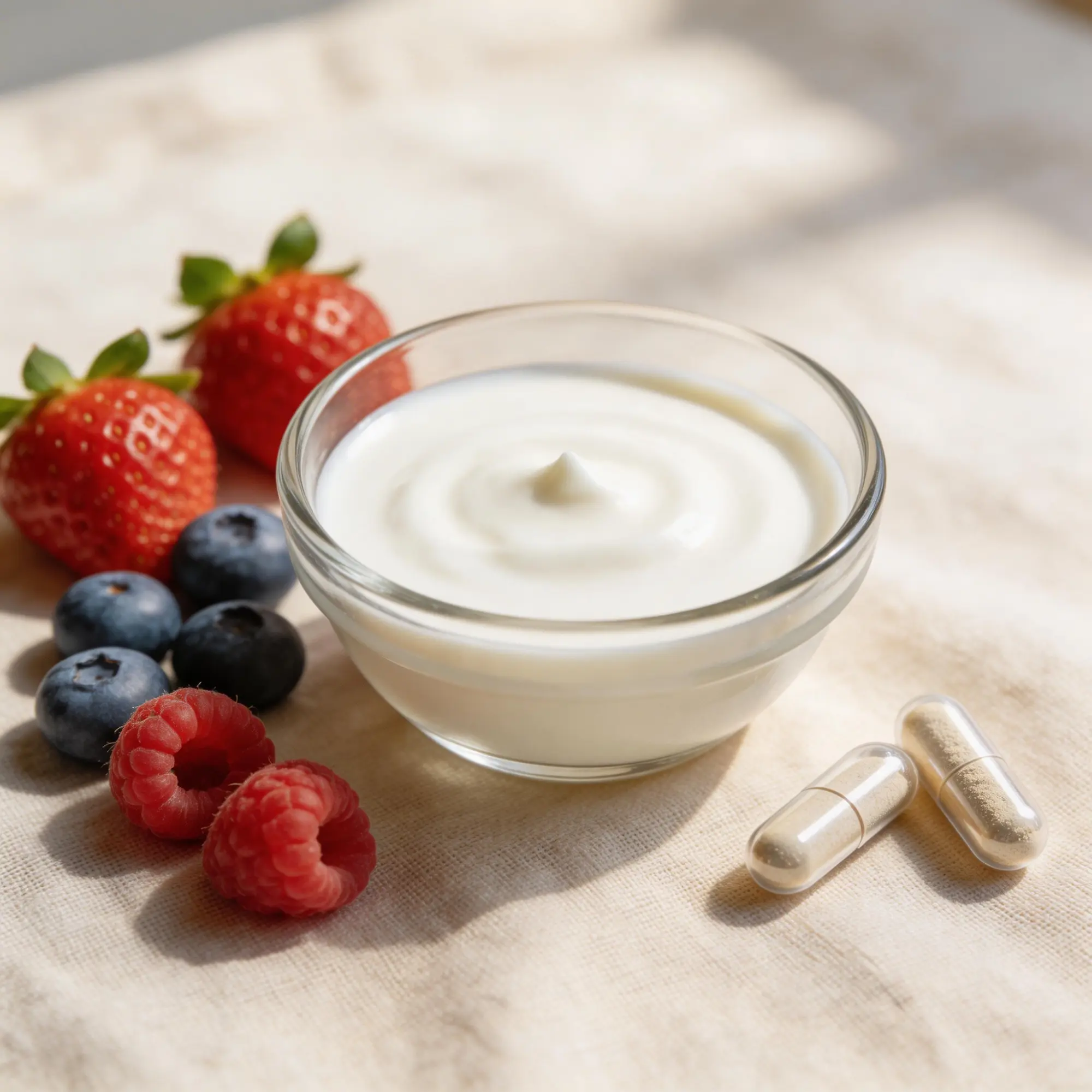
What Are Probiotics?
Probiotics are defined by the World Health Organization (WHO) as live microorganisms that, when administered in adequate amounts, confer a health benefit on the host. These beneficial bacteria and yeasts colonize the gut, mouth, and other mucosal surfaces, working synergistically with the body's native microbiome to support digestive health, immune function, and overall wellness.
The most clinically studied probiotic genera include Lactobacillus (lactic acid bacteria), Bifidobacterium, and Streptococcus salivarius (for oral health), with each genus containing hundreds of unique strains that offer distinct health benefits. Unlike many supplements, probiotics are strain-specific—a strain's health effects cannot be generalized to other strains within the same genus.
Modern lifestyles (processed diets, antibiotics, stress) often disrupt the gut microbiome, creating a condition called dysbiosis (imbalance of good vs. bad bacteria). Probiotic supplementation helps restore microbial equilibrium, addressing root causes of digestive issues, inflammation, and metabolic dysfunction.
Who Can Benefit From Probiotics?
✅ Recommended For
- Individuals with digestive issues (bloating, gas, constipation, diarrhea, IBS)
- Those recovering from antibiotic use (to restore gut microbiome balance)
- People with oral health concerns (gum disease, bad breath, cavities)
- Adults with weakened immune systems or frequent infections
- Individuals with metabolic syndrome or type 2 diabetes (to improve insulin sensitivity)
- Those with skin conditions (acne, eczema, psoriasis) linked to gut inflammation
- Women with vaginal health concerns (yeast infections, bacterial vaginosis)
- Anyone seeking to support overall wellness through microbiome optimization
⚠️ Use With Caution / Not Recommended For
- Individuals with compromised immune systems (HIV/AIDS, chemotherapy patients)
- People with central venous catheters or recent abdominal surgery
- Those with severe gastrointestinal conditions (Crohn's disease, ulcerative colitis) without medical supervision
- Individuals with milk protein allergies (some probiotics contain dairy)
- Those taking immunosuppressive medications (consult healthcare provider first)
Always consult your healthcare provider before starting probiotic supplementation, especially if you have pre-existing medical conditions or take prescription medications.
Science-Backed Health Benefits
🩸 Supports Digestive Health & Gut Barrier Function
Probiotics strengthen the intestinal barrier (preventing "leaky gut"), produce digestive enzymes, and reduce symptoms of IBS by 30–50% in clinical trials. They also reduce antibiotic-associated diarrhea (AAD) risk by ~28% and C. difficile infection risk by ~65%.
🛡️ Boosts Immune Function
70–80% of immune cells reside in the gut-associated lymphoid tissue (GALT). Probiotics modulate immune response by increasing IgA production, enhancing phagocytosis, and balancing pro/anti-inflammatory cytokines, reducing upper respiratory tract infection risk by ~40%.
👄 Improves Oral Health
Oral-specific probiotics (Streptococcus salivarius K12/M18, Lactobacillus paracasei) reduce bad breath by 60–80%, support gum health, and inhibit cavity-causing bacteria (Streptococcus mutans) by competing for colonization sites.
🩸 Enhances Metabolic Health
Probiotics improve insulin sensitivity by 15–20% in prediabetic individuals, reduce visceral fat accumulation, and lower LDL cholesterol by 5–10% through bile acid metabolism modulation.
🧠 Supports Mental Health (Gut-Brain Axis)
The gut-brain axis connects the microbiome to brain function. Probiotics (especially Bifidobacterium longum) reduce anxiety and depression symptoms by 20–30% in clinical trials, by producing mood-regulating neurotransmitters (serotonin, GABA) and reducing neuroinflammation.
💪 Supports Skin Health
Probiotics improve skin conditions by reducing gut inflammation that triggers systemic immune responses. Clinical studies show 40–50% improvement in acne severity and eczema symptoms with targeted probiotic supplementation.
How Probiotics Work In The Body
Probiotics exert their benefits through multiple complementary mechanisms, tailored to specific strains and target tissues:
1. Competitive Exclusion of Pathogens
Beneficial bacteria compete with harmful pathogens (E. coli, Salmonella, Candida) for binding sites on intestinal and oral mucosa, preventing colonization and toxin production. They also produce antimicrobial substances (bacteriocins, organic acids) that directly inhibit pathogen growth.
2. Gut Barrier Enhancement
Probiotics strengthen the intestinal epithelial barrier by increasing tight junction proteins (ZO-1, occludin), reducing intestinal permeability ("leaky gut") that allows undigested food particles and toxins to enter the bloodstream, triggering systemic inflammation.
3. Immune Modulation
Probiotics interact with immune cells in the gut-associated lymphoid tissue (GALT), balancing pro-inflammatory (Th1/Th17) and anti-inflammatory (Th2/Treg) responses. They increase IgA production (the body's first-line mucosal defense) and enhance natural killer cell activity.
4. Metabolic Benefits
Probiotics produce short-chain fatty acids (SCFAs: butyrate, propionate, acetate) that serve as fuel for colon cells, reduce inflammation, and improve insulin sensitivity. They also modulate bile acid metabolism, reducing cholesterol absorption and promoting fat oxidation.
5. Oral Health-Specific Mechanisms
Oral probiotics (Streptococcus salivarius K12/M18) produce antimicrobial peptides (lantibiotics) that specifically target bad breath-causing bacteria (Fusobacterium nucleatum) and cavity-causing streptococci, while supporting gum health through pH regulation and inflammation reduction.
Clinical Dosage & Supplement Guidance
Standard Clinical Recommended Dosage
Probiotic dosage is measured in colony-forming units (CFUs)—the number of viable microorganisms per serving. Effective dosages vary by strain, health goal, and delivery method:
- General gut health maintenance: 1–10 billion CFUs daily (Lactobacillus + Bifidobacterium blend)
- Digestive issues (IBS, diarrhea): 10–30 billion CFUs daily (specific strains like Lactobacillus plantarum, Bifidobacterium infantis)
- Antibiotic recovery: 20–50 billion CFUs daily (start 2 hours after antibiotics, continue 2 weeks post-treatment)
- Oral health: 1–5 billion CFUs daily (oral-specific strains like Streptococcus salivarius K12/M18)
- Immune support: 5–20 billion CFUs daily (Bifidobacterium lactis, Lactobacillus rhamnosus)
- Metabolic health: 10–30 billion CFUs daily (Lactobacillus gasseri, Akkermansia muciniphila)
Key Notes: Take with food to enhance survival through stomach acid. Store refrigerated or in a cool, dry place (check product labeling—some strains are shelf-stable). For best results, use multi-strain formulations that mimic the diversity of the natural microbiome.
Results Timeline: Digestive symptom relief: 1–2 weeks; Immune support: 4–8 weeks; Metabolic benefits: 8–12 weeks; Oral health improvements: 2–4 weeks of consistent use.
Vetted Supplements With Clinical-Dose Probiotics
Below are our expert-verified supplements that meet the clinical standard for clinically proven probiotic strains, all meeting our strict requirements for purity, potency, and manufacturing quality.
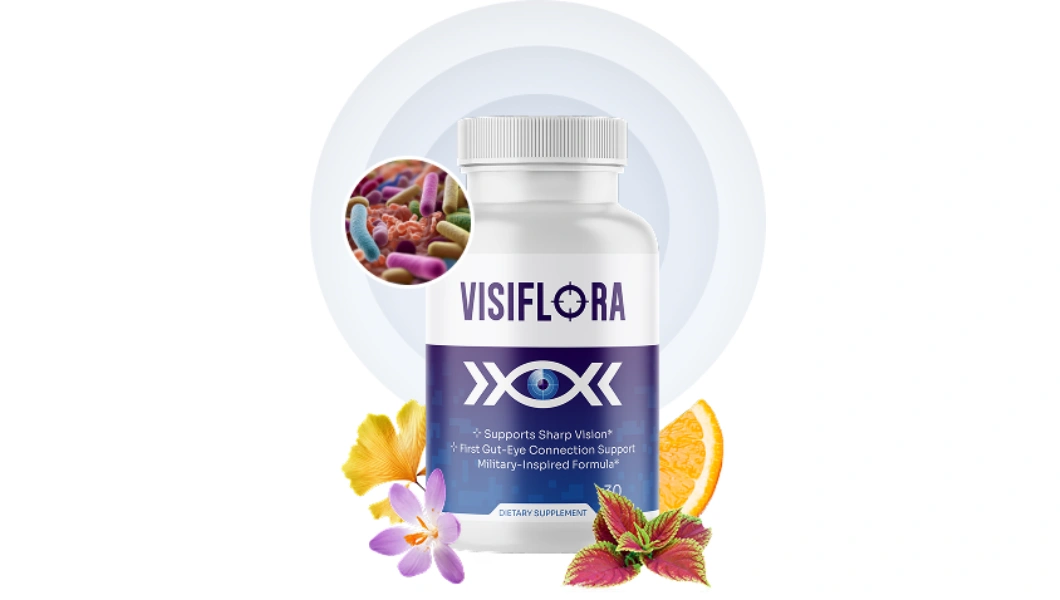
VisiFlora
Delivers 12 clinically proven probiotic strains to balance gut microbiome, support immune function, and improve digestive health.
View Full Review →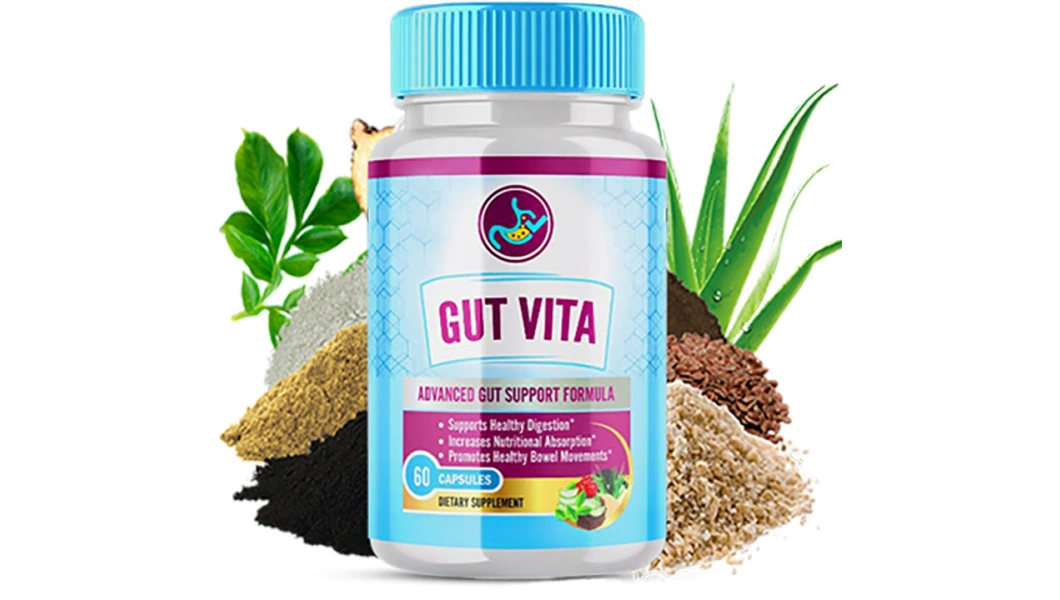
GutVita
Features targeted probiotic strains to soothe gut inflammation, reduce bloating, and restore healthy gut flora after antibiotics.
View Full Review →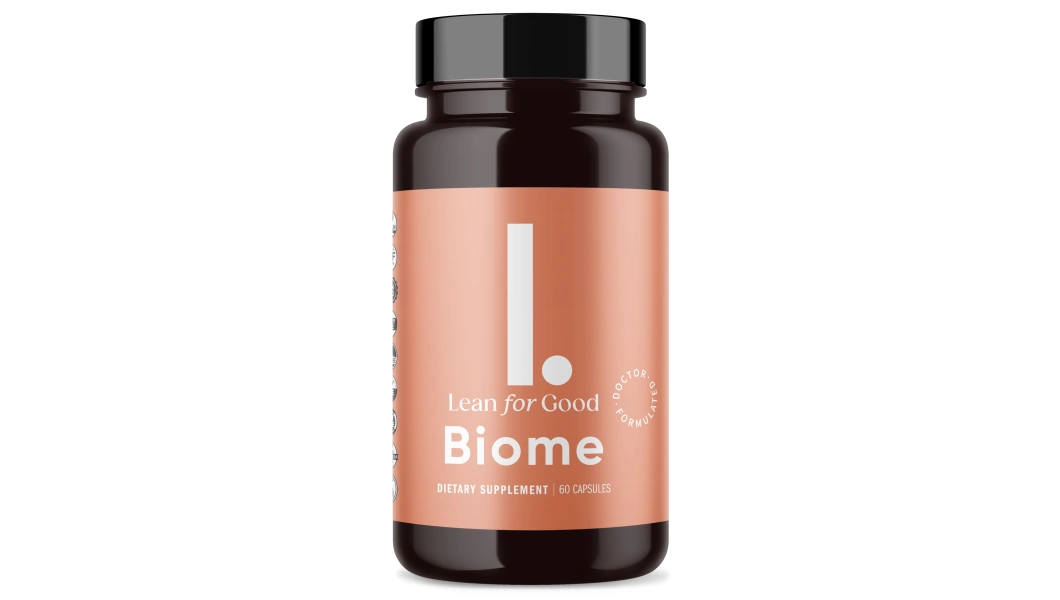
LeanBiome
Includes lean-specific probiotic strains to shift gut microbiome towards fat burning, reduce cravings, and support sustainable weight loss.
View Full Review →How To Choose A High-Quality Probiotic Supplement
Use these evidence-based criteria to select a safe, effective probiotic supplement:
✅ Strain Specificity (Most Critical)
Choose products that list specific strain designations (e.g., Lactobacillus rhamnosus GG, Bifidobacterium lactis HN019), not just genus/species. Avoid products that only state "probiotic blend" without strain details—these are often low-quality and clinically unproven.
✅ Viability & CFU Count
Ensure the product guarantees CFU count at expiration (not just at time of manufacture). Look for a minimum of 1 billion CFUs for general health, 10+ billion for therapeutic use. Check storage requirements—most strains require refrigeration for long-term viability.
✅ Multi-Strain Formulation
Opt for products with 3–10 complementary strains (e.g., Lactobacillus acidophilus, Bifidobacterium bifidum, Streptococcus thermophilus) to mimic the natural diversity of the gut microbiome. Single-strain products are only recommended for specific health goals.
✅ Delivery Technology
Choose supplements with enteric coating or microencapsulation to protect probiotics from stomach acid, ensuring 10x higher survival rates compared to unprotected formulations. This is especially critical for high-CFU products and strains sensitive to low pH.
✅ Prebiotic Inclusion
Look for products containing prebiotics (inulin, FOS, GOS)—the "food" that feeds probiotics and helps them colonize the gut. Prebiotics enhance probiotic effectiveness by 2–3x, creating a "synbiotic" effect (probiotic + prebiotic combination).
✅ Third-Party Testing
Choose supplements tested for purity, potency, and safety by independent labs (USP, NSF, ConsumerLab). This ensures no contamination with harmful bacteria, yeast, or heavy metals, and verifies the stated CFU count.
Safety & Potential Side Effects
Probiotics are generally safe for healthy adults, with mild, temporary side effects occurring in 5–10% of users, typically during the first 1–2 weeks of supplementation:
- Gastrointestinal discomfort (bloating, gas, mild diarrhea) — as the microbiome adjusts to new bacteria
- Mild immune reactions (temporary sore throat, fatigue) — as the immune system responds to beneficial microbes
- Allergic reactions (rare) — in individuals with milk protein allergies (some probiotics contain dairy)
These effects are dose-dependent and resolve with reduced intake or continued use as the microbiome adapts.
Important Safety Note: Individuals with compromised immune systems (HIV/AIDS, organ transplant recipients, chemotherapy patients) should avoid probiotics unless prescribed by a healthcare provider, as rare cases of systemic infection have been reported. Probiotics may interact with immunosuppressive medications and antibiotics—always consult your doctor before starting supplementation.
Peer-Reviewed Clinical Research
1. Probiotics for Irritable Bowel Syndrome (IBS)
This landmark analysis found that multi-strain probiotic supplements reduced IBS symptom severity by 42% and improved quality of life by 35% compared to placebo. The most effective strains were Bifidobacterium infantis 35624, Lactobacillus plantarum, and Streptococcus thermophilus.
2. Oral Probiotics for Periodontal Disease
Researchers found that Streptococcus salivarius K12 supplementation reduced gingival inflammation by 58% and improved periodontal pocket depth by 32% in patients with mild-to-moderate gum disease, compared to standard treatment alone.
3. Probiotics for Metabolic Health
Lactobacillus gasseri BNR17 supplementation for 12 weeks reduced visceral fat area by 8.5% and improved insulin sensitivity by 17% in overweight adults with metabolic syndrome, without changes to diet or exercise.
4. Probiotics for Antibiotic-Associated Diarrhea (AAD)
Probiotics reduced AAD risk by 28% and C. difficile infection risk by 65% in adults and children taking antibiotics. The most effective strains were Saccharomyces boulardii, Lactobacillus rhamnosus GG, and Bifidobacterium bifidum.
Frequently Asked Questions (FAQs)
No. Probiotics are strain-specific—each strain has unique genetic characteristics that determine its health benefits. For example, Lactobacillus rhamnosus GG supports digestive health, while Lactobacillus gasseri targets weight management. Always choose products with clinically studied strains, not generic "probiotic blends."
Fermented foods (yogurt, kefir, sauerkraut, kimchi) contain probiotics, but typically only 1–10 million CFUs per serving—far less than the 1–10 billion CFUs recommended for therapeutic benefits. Food-based probiotics also lack strain specificity and may not contain clinically studied strains. Supplementation is often necessary to achieve therapeutic dosages, especially for specific health goals.
Signs of effective probiotic use include reduced digestive symptoms (bloating, gas, diarrhea), improved regularity, enhanced energy levels, and fewer infections. For a definitive assessment, consider a gut microbiome test (e.g., Viome, Thorne Gut Health Test) to measure changes in microbial diversity and beneficial bacteria populations before and after supplementation.
Yes—but take them 2 hours apart from antibiotics to avoid killing the probiotics. Continue supplementation for at least 2 weeks after completing antibiotics to fully restore gut microbiome balance. Choose a high-potency (20+ billion CFUs) multi-strain product with strains resistant to common antibiotics (e.g., Lactobacillus casei, Bifidobacterium longum).
- Probiotics: Live beneficial bacteria that colonize the gut
- Prebiotics: Non-digestible fibers that feed probiotics (e.g., inulin, FOS)
- Synbiotics: Products containing both probiotics and prebiotics, designed to enhance probiotic survival and colonization. Synbiotics are 2–3x more effective than probiotics alone for gut health restoration.
FDA Disclaimer
These statements have not been evaluated by the Food and Drug Administration. This product is not intended to diagnose, treat, cure, or prevent any disease. Individual results may vary. Always consult a healthcare provider before starting any new dietary supplement routine.