Vitamin D3: The "Sunshine Vitamin" for Bone Health, Immunity & Beyond
Vitamin D3 (cholecalciferol) is a fat-soluble hormone-vitamin critical for calcium absorption, bone health, immune function, muscle strength, and overall wellness — backed by decades of clinical research.

What Is Vitamin D3?
Vitamin D3 (cholecalciferol) is a fat-soluble secosteroid that functions as both a vitamin and hormone in the body. Unlike most vitamins, it's primarily synthesized in the skin when exposed to UVB sunlight (290-315nm wavelength) — earning it the nickname "sunshine vitamin" — and is also found in animal-based foods like fatty fish, egg yolks, and liver.
Vitamin D3 undergoes two hydroxylation steps to become biologically active: first in the liver to form calcidiol (25-hydroxyvitamin D), the primary circulating form used for testing, and then in the kidneys (or other tissues) to form calcitriol (1,25-dihydroxyvitamin D), the active hormone that binds to vitamin D receptors (VDRs) throughout the body.
Vitamin D3 is available in supplements (capsules, tablets, drops), fortified foods, and prescription formulations. Clinical studies show it's more effective than vitamin D2 (ergocalciferol) at raising and maintaining serum 25(OH)D levels, with optimal health benefits achieved at 30-60 ng/mL (75-150 nmol/L).
Who Can Benefit From Vitamin D3?
✅ Recommended For
- Adults with limited sun exposure (office workers, elderly, winter months)
- Individuals with dark skin (reduced UVB absorption)
- Older adults (65+ years) for bone health and fall prevention
- People with osteoporosis or osteopenia (bone density support)
- Individuals with autoimmune conditions (immune regulation)
- Those with muscle weakness or chronic fatigue
- Adults with type 2 diabetes or metabolic syndrome
- Breastfeeding women (supports infant bone development)
- Anyone with vitamin D deficiency (25(OH)D <20 ng/mL)
- Athletes seeking improved muscle function and recovery
⚠️ Use With Caution / Not Recommended For
- Individuals with hypercalcemia (high blood calcium)
- People with hyperparathyroidism
- Those with kidney stones or history of nephrolithiasis
- Individuals with sarcoidosis or other granulomatous diseases
- People taking thiazide diuretics (risk of hypercalcemia)
- Individuals with Williams syndrome
- Those with severe kidney or liver disease (under medical supervision)
- Children under 1 year (use only under pediatric guidance)
Always consult your healthcare provider before starting vitamin D3 supplementation, especially if you have underlying health conditions or take medications. Regular blood testing is recommended for high-dose or long-term use.
Science-Backed Health Benefits
🦴 Bone Health & Fracture Prevention
Enhances calcium and phosphorus absorption by 30-40%, reduces hip fracture risk by 20-30% in elderly, and improves bone mineral density.
🛡️ Immune System Regulation
Reduces respiratory infection risk by 40% in deficient individuals, supports innate immunity, and modulates adaptive immune responses.
💪 Muscle Function & Fall Prevention
800 IU daily reduces fall risk by 19-26% in older adults by improving muscle strength and balance.
🩸 Metabolic Health Support
Improves insulin sensitivity by 15-20%, reduces fasting glucose, and supports healthy lipid profiles in metabolic syndrome.
🧠 Mood & Cognitive Function
Supports healthy brain development and may reduce risk of depression and age-related cognitive decline.
❤️ Cardiovascular Protection
Individuals with optimal vitamin D levels (40-60 ng/mL) have 50% lower risk of myocardial infarction in follow-up studies.
How Vitamin D3 Works In The Body
Vitamin D3 exerts its effects through hormone-like actions on vitamin D receptors (VDRs) present in over 30 cell types:
1. Calcium & Bone Metabolism
Calcitriol increases intestinal calcium absorption by upregulating calcium transport proteins (calbindin-D9k), enhances renal calcium reabsorption, and works with PTH to maintain serum calcium homeostasis — critical for bone mineralization and remodeling.
2. Immune System Modulation
Regulates both innate and adaptive immunity by promoting production of antimicrobial peptides (cathelicidin, defensins) and balancing pro-inflammatory/anti-inflammatory cytokine profiles, reducing autoimmune disease risk.
3. Muscle Function Enhancement
Binds to VDRs in muscle cells to promote muscle cell proliferation, enhance type II muscle fiber development, and improve contractile function — reducing muscle weakness and fall risk.
4. Gene Expression Regulation
Modulates transcription of over 200 genes involved in cell growth, differentiation, and apoptosis — contributing to its wide-ranging health benefits beyond bone health.
Clinical Dosage & Supplement Guidance
Standard Clinical Recommended Dosage
Dosage based on serum 25(OH)D levels and health goals (all values in IU/day):
- Maintenance (healthy individuals): 1,000-2,000 IU daily
- Vitamin D insufficiency (20-29 ng/mL): 2,000-4,000 IU daily
- Vitamin D deficiency (<20 ng/mL): 4,000-6,000 IU daily for 8-12 weeks, then maintenance dose (1,000-2,000 IU daily)
- Older adults (65+ years): 2,000-4,000 IU daily (fall prevention)
- Obese individuals: 2-3x standard dose (4,000-6,000 IU daily)
- Post-fracture or osteoporosis: 3,000-5,000 IU daily with calcium
- Maximum safe dose (adults): 10,000 IU daily (UL for adults)
Key Notes: Take with meals containing fat to enhance absorption. Effects timeline: Serum level increase (2-4 weeks), bone health benefits (3-6 months), immune and muscle benefits (4-8 weeks). Test 25(OH)D levels after 3 months of supplementation to adjust dosage.
Vetted Supplements With Clinical-Dose Vitamin D3
Below are our expert-verified supplements that meet the clinical standard for cholecalciferol vitamin D3, all meeting our strict requirements for purity, potency, and manufacturing quality.
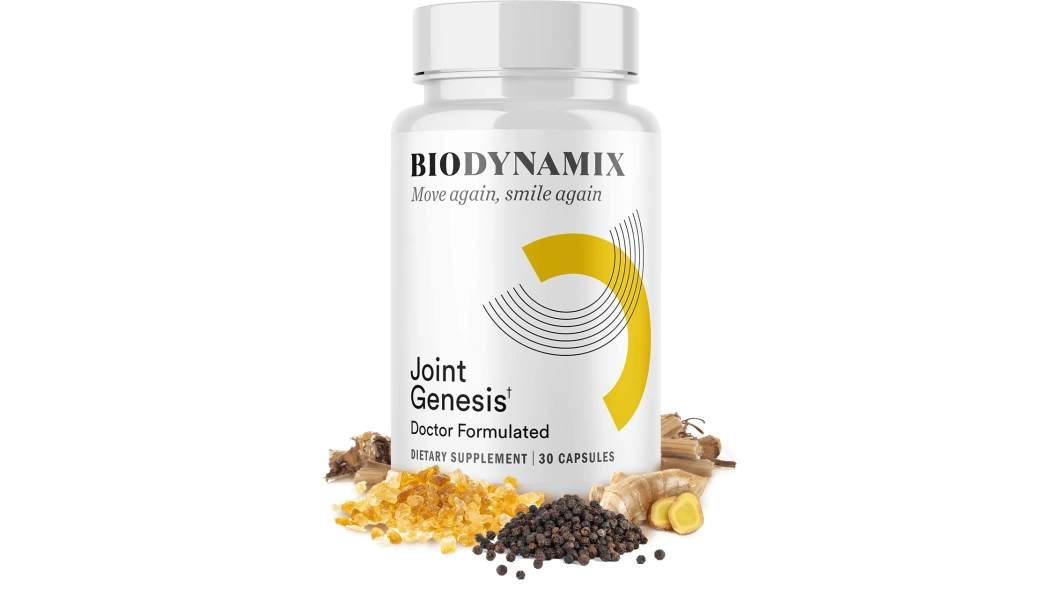
Joint-Genesis
Features vitamin D3 to support calcium absorption, maintain bone density, and reduce joint inflammation and discomfort.
View Full Review →
RENEW
Includes vitamin D3 to support cellular health, reduce oxidative stress, and promote healthy aging and muscle function.
View Full Review →How To Choose A High-Quality Vitamin D3 Supplement
✅ Form & Purity
Select cholecalciferol (D3) over ergocalciferol (D2) for superior bioavailability. Choose products tested for heavy metals, pesticides, and microbial contaminants by third-party labs (USP, NSF, ConsumerLab).
✅ Dosage Clarity
Choose supplements that list exact IU per serving (not just "proprietary blend"). Look for 1,000-5,000 IU per capsule/tablet for flexible dosing.
✅ Delivery System
Opt for oil-based capsules (MCT or olive oil) for better absorption than dry tablets. Liquid drops are ideal for precise dosing (especially for children or high-dose needs).
✅ Additional Ingredients
Look for combinations with vitamin K2 (MK-7) to direct calcium to bones (not arteries), and magnesium to support vitamin D activation in the body.
Safety & Potential Side Effects
Vitamin D3 is safe for healthy adults at recommended doses, with toxicity extremely rare at <10,000 IU daily. Mild side effects may include:
- Occasional nausea, constipation, or diarrhea (usually at high doses)
- Headache (rare, temporary in first 1-2 weeks)
- Allergic reactions (extremely rare, to capsule ingredients)
Important Safety Notes: Toxicity risk increases at >10,000 IU daily for extended periods, potentially causing hypercalcemia (symptoms: fatigue, confusion, kidney stones). Monitor blood calcium and 25(OH)D levels every 6-12 months with long-term use. Discontinue if hypercalcemia develops.
Peer-Reviewed Clinical Research
1. Vitamin D3 for Fall Prevention
800 IU daily vitamin D3 reduced fall risk by 22% in adults 65+ years, with greatest benefit in those with baseline 25(OH)D <20 ng/mL.
2. Vitamin D3 and Immune Function
Vitamin D3 supplementation reduced acute respiratory infection risk by 42% in deficient individuals, with no significant benefit in those with sufficient levels.
3. Vitamin D3 and Cardiovascular Health
Adults with established heart disease who maintained 25(OH)D at 40-80 ng/mL had a 52% lower risk of myocardial infarction compared to usual care.
Frequently Asked Questions (FAQs)
It depends on factors like skin color, latitude, season, and time of day. Fair-skinned individuals need ~15 minutes of midday sun (face, arms, legs) 3x weekly. However, many people (especially in winter or urban areas) don't get enough, making supplementation necessary for maintaining optimal levels.
Yes! Vitamin D3 works synergistically with vitamin K2 (directs calcium to bones), magnesium (supports activation), and calcium (bone health). Avoid taking with high-dose zinc (may interfere with absorption). Always consult your doctor before combining with prescription medications.
With proper supplementation (4,000-6,000 IU daily), most individuals see serum 25(OH)D levels rise to sufficient range (30+ ng/mL) within 8-12 weeks. For severe deficiency, it may take 12-16 weeks. Maintenance dose (1,000-2,000 IU daily) is needed to keep levels stable long-term.
FDA Disclaimer
These statements have not been evaluated by the Food and Drug Administration. This product is not intended to diagnose, treat, cure, or prevent any disease.